1. Raw material costs

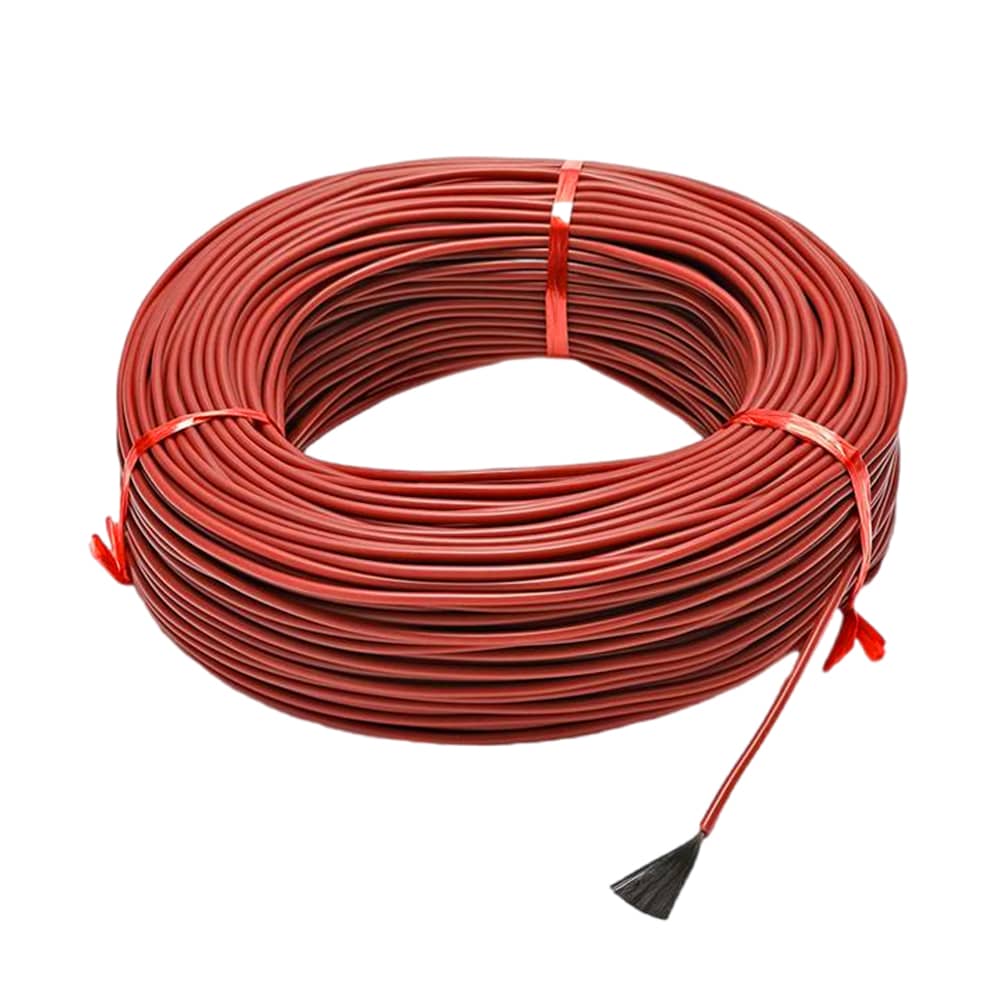
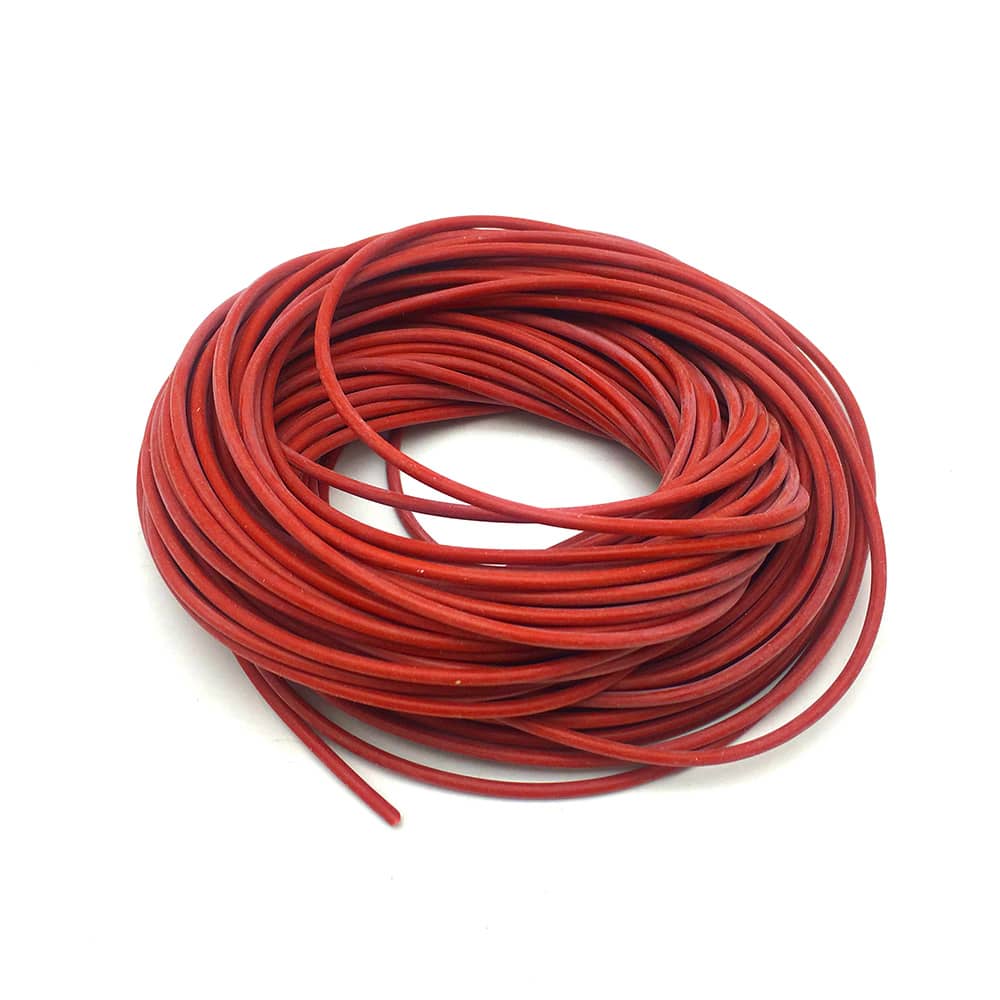
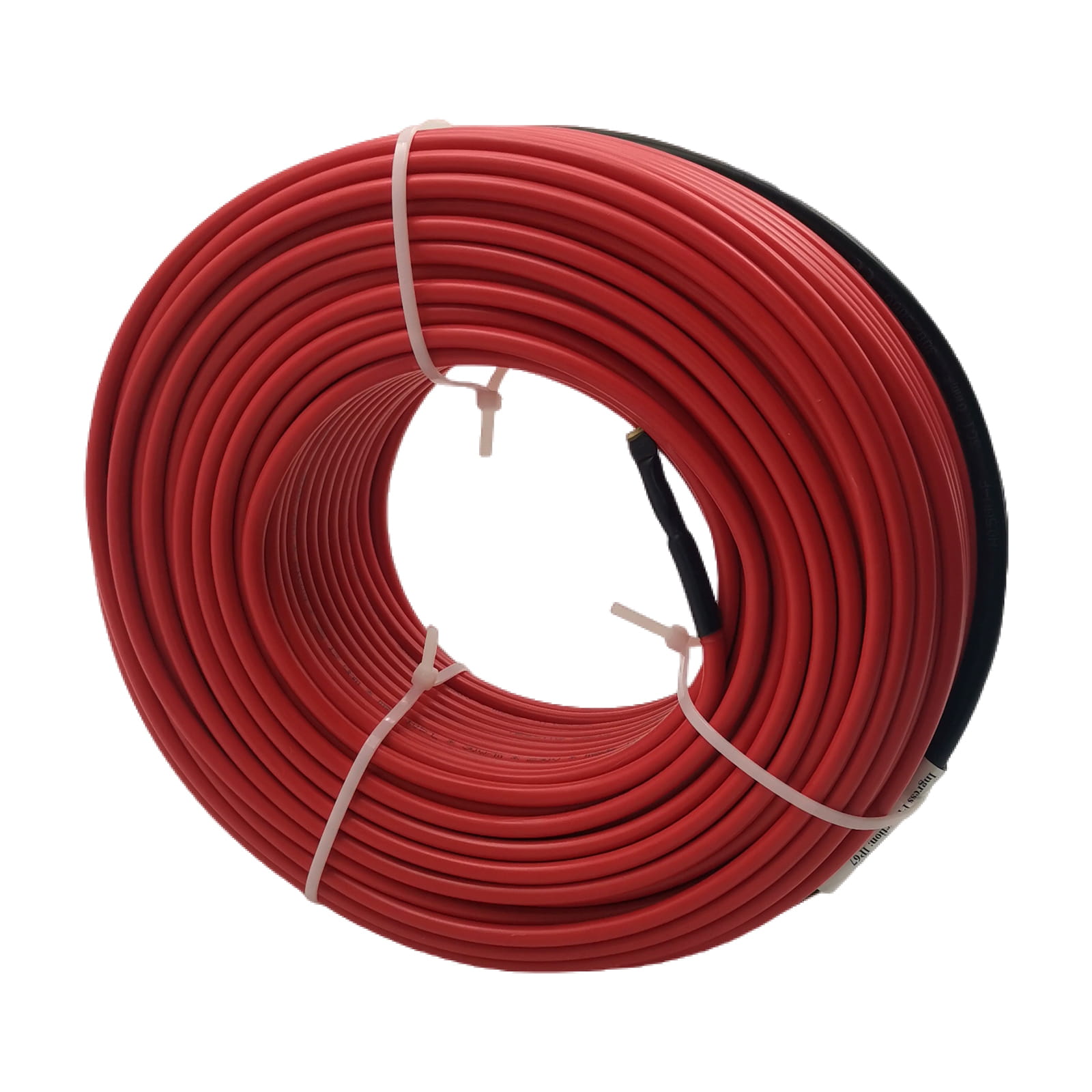
  • Carbon fiber quality: The quality of carbon fiber is one of the key factors determining its price. High quality carbon fiber has higher strength, better conductivity, and thermal stability. The heating wires produced by well-known carbon fiber brands are relatively expensive because these carbon fibers perform well in terms of raw material purity, uniformity of fiber bundles, etc., ensuring excellent and stable performance of the heating wires.


  •  Auxiliary materials: In addition to the carbon fiber body, auxiliary materials such as insulation layer and sheath of the heating wire will also affect the price. High quality insulation materials, such as fluoroplastics (PTFE), polyvinyl chloride (PVC), etc., have good electrical insulation, high temperature resistance, and corrosion resistance, which can improve the safety and service life of heating wires, but the cost is also high. For example, the price of carbon fiber heating wires using high-performance fluoroplastics as insulation layers will be higher than that of ordinary PVC insulated heating wires.


2. Production process

  • Manufacturing accuracy: High precision manufacturing processes can ensure consistent performance of carbon fiber heating wires. For example, in the winding and weaving process of carbon fiber filaments, if the technology is advanced and the precision is high, it can make the resistance of the heating wire uniform and the heating efficiency stable. By adopting advanced automated production equipment and precise manufacturing processes, the price of the produced heating wire will correspondingly increase, as these processes can effectively reduce the rate of defective products and improve product quality.


  • The complexity of the production process: If the production process involves special processing steps, such as surface modification of carbon fibers, manufacturing of multi-layer composite structures, etc., it will increase production costs and thus affect prices. For example, carbon fiber heating wires that have undergone special surface treatment can enhance the bonding strength between carbon fiber and other materials, improve the overall performance of the heating wire, but this additional treatment process will increase the price.

3. Power and specifications

  • Power size: Generally speaking, carbon fiber heating wires with higher power have relatively higher prices. This is because high-power heating wires require the use of more carbon fiber materials, and in the design and manufacturing process, many factors such as heat dissipation and safety need to be considered, resulting in higher requirements for technology and materials. For example, high-power carbon fiber heating wires used for industrial heating (such as those with a power of over 1000W) are more expensive than ordinary household heating wires with lower power (such as 100-500W).


  • Length and wire diameter specifications: Carbon fiber heating wires with different length and wire diameter specifications have different prices. A longer heating wire naturally has a higher price, while a thicker wire diameter usually means higher heating efficiency and carrying capacity, and the price will correspondingly increase. For example, a carbon fiber heating wire with a diameter of 6mm will be more expensive than a similar heating wire with a diameter of 3mm.


4. Application areas and market demand

  • Market supply and demand relationship: When the demand for far infrared heating cable in the market exceeds the supply, prices often rise; On the contrary, prices may decrease. For example, during the peak season of winter heating demand, the market demand for carbon fiber underfloor heating lines increases significantly. If the supply is relatively tight, the price will rise. In some off-season or emerging application areas where market demand has not yet fully opened up, prices may remain relatively stable or decrease to stimulate market demand.

High electro-thermal conversion efficiency:
As a perfect blackbody material, carbon fiber heating wires have an electro-thermal conversion efficiency that is 30% higher than that of metal heating elements, reaching approximately 100%.
High strength and high modulus:
The tensile strength of carbon fiber is 6 to 10 times that of metal wires. It will not break even during the electro-thermal process, ensuring the safety and stability of use.
Corrosion resistance and high temperature resistance:
The chemical properties of carbon fiber are stable. Even when heated to 3000 degrees in an oxygen-free state, its mechanical properties will not change, overcoming the disadvantages of metal wires, PTC, and silicon carbide heating elements, such as low strength and easy oxidation and burnout.
Rapid heating and precise temperature control:
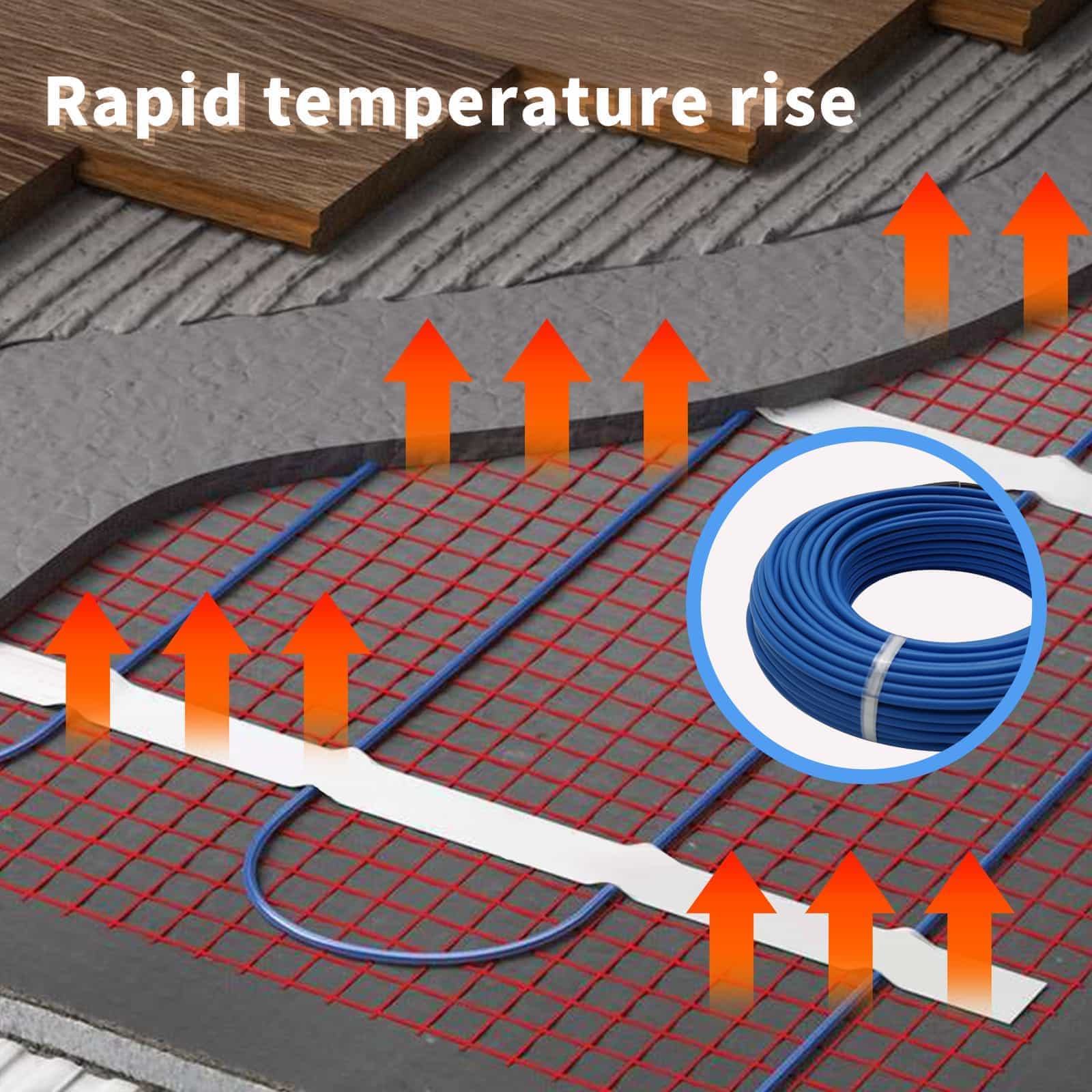
It can quickly heat up within 3 - 5 minutes after being powered on and reach the set temperature in 15 - 20 minutes. Moreover, uniform heating and precise temperature control can be achieved through a thermostat.
Energy conservation and environmental protection:
Under normal working conditions, the deviation between the input power and the rated power of carbon fiber heating wires does not exceed ±10%, and the cumulative working hours are no less than 30,000 hours, demonstrating its energy-saving and environmentally friendly features.


These characteristics enable intelligent temperature control hotline to be widely used in domestic, industrial, and commercial fields, especially in electric heating systems that require high efficiency, safety, and environmental protection.

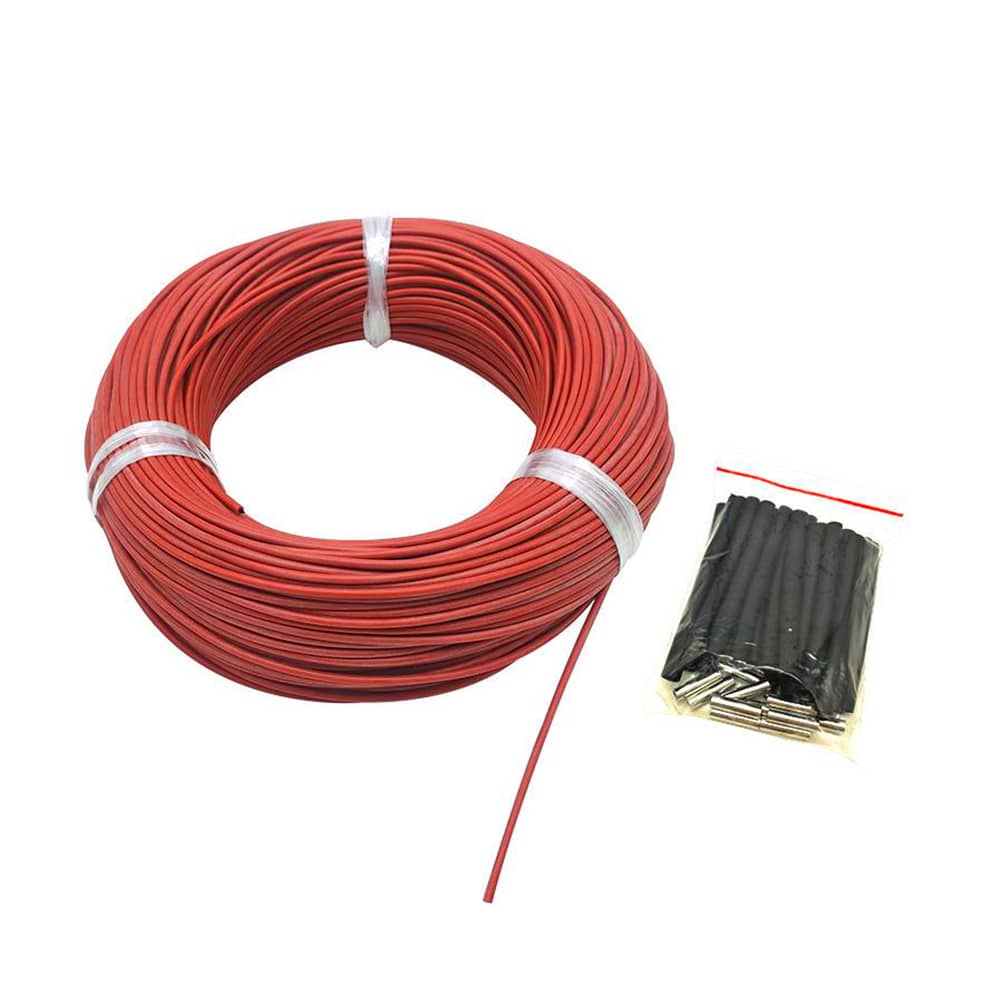
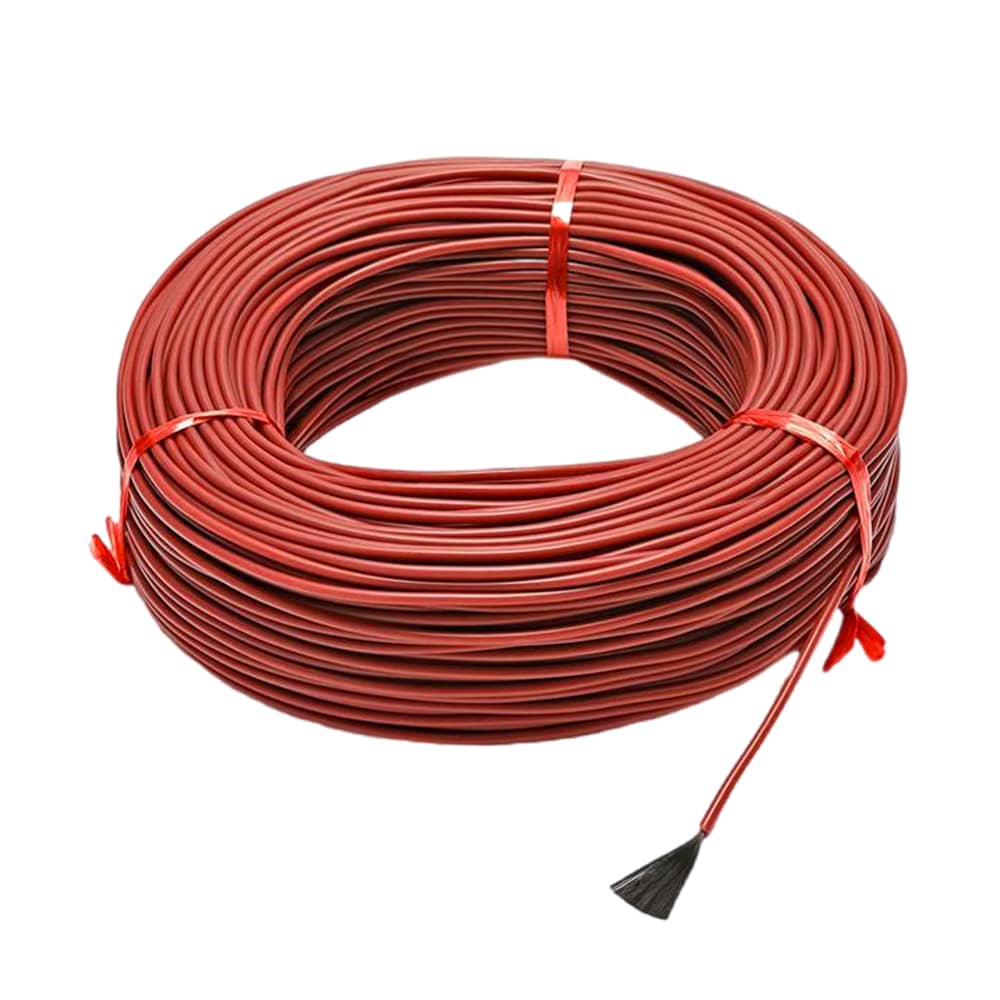
Carbon fiber is a new type of high-performance fiber-reinforced material with excellent properties such as high strength, high modulus, high temperature resistance, wear resistance, fatigue resistance, corrosion resistance, creep resistance, conductivity, and thermal conductivity. It can reduce the weight of components, thereby improving their technical performance. Therefore, using carbon fiber as an electric heating element has many excellent properties that cannot be compared to metal, PTC and other electric heating elements:

1. Rapid heating up

Capable of producing the life light required by the human body, far-infrared radiation ranging from 8 μ m to 15 μ m.


2. High efficiency of electric thermal conversion, saving energy

Floor infrared heating wire is a type of all black body material, with an electric heating conversion efficiency that is 30% higher than metal heating, and an electric heating efficiency of about 100%.


3. High tensile strength

Under the same allowable current load area, the strength of carbon fiber is 6-10 times higher than that of metal wire, and it will not break during use, so the tensile strength does not change much during the electric heating process.


4. No arcing due to broken wires

Effectively prevent the occurrence of fires.


5. Lightweight

Effectively reducing the weight of components, thereby improving their technical performance.


6. Stable chemical properties

Corrosion resistant and not easily oxidized. When heated to 3000 degrees Celsius in an anaerobic state, its mechanical properties do not change, and it overcomes the limitations of metal wires in an electric heating state PTC、 The disadvantage of low strength and easy oxidation and burning of silicon carbide heating elements.


7. Long service life

Carbon fiber electric heating wire have the same lifespan as buildings.

characteristic:

1.Using heating cables for heating is a green and environmentally friendly heating method that achieves zero emissions and no pollution.Good heating effect and high heating rate.

2. Good heating effect and high heating rate.

3. Highly controllable, truly achieving household, room, and area control, easy to operate.

4. Abandoning the construction and investment of pipelines, pipe trenches, radiator fins, etc. has saved land and increased the usable area. According to statistics, it can save land and increase the usable area of buildings by about 3-5% each.

5. Comfortable and cozy, not occupying walls, conducive to building decoration and renovation.

6. Long lifespan, low maintenance costs, installation that meets regulatory requirements, and proper operation. The system has the same lifespan as a building and does not require maintenance or repair for many years.

7. Easy installation and low operating costs.

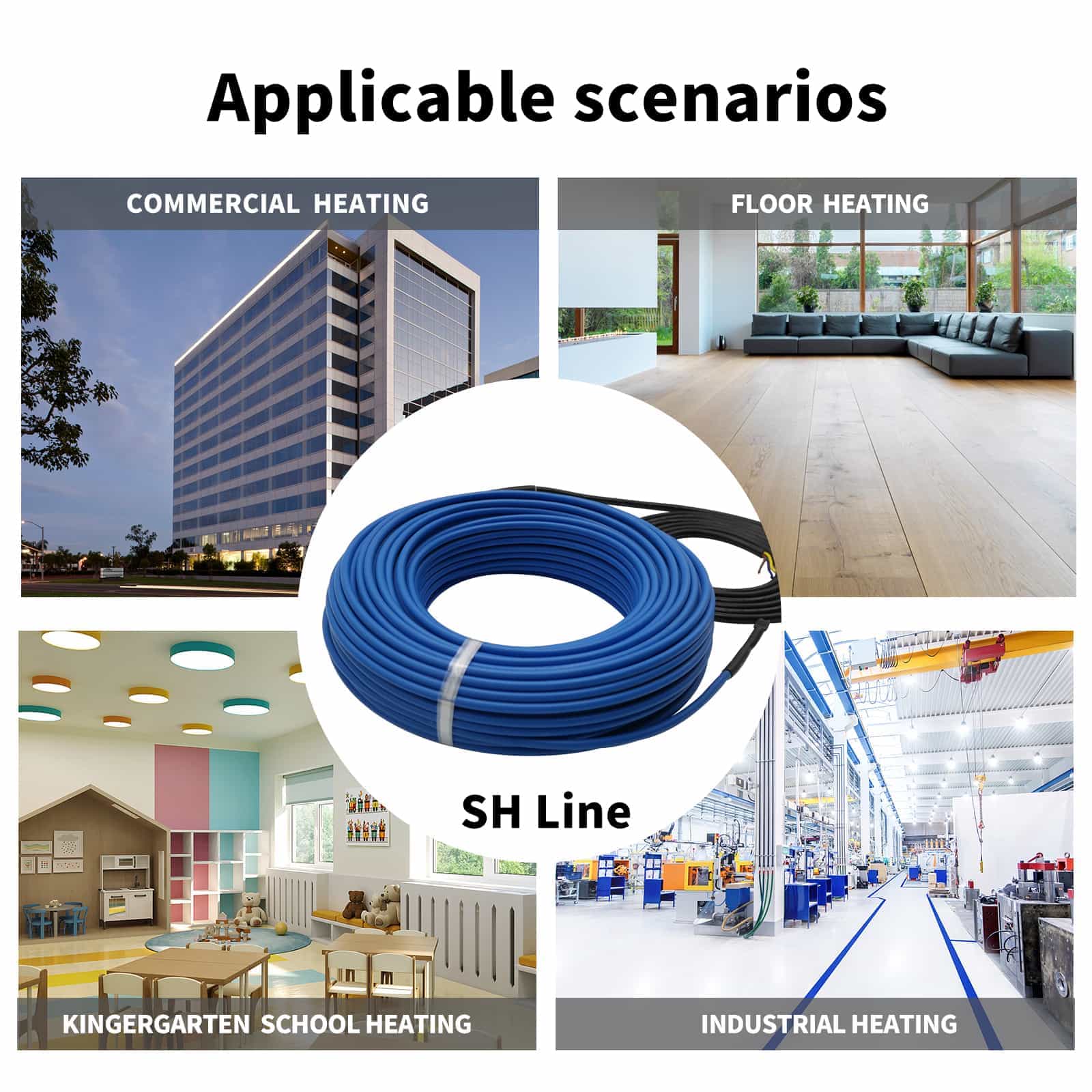
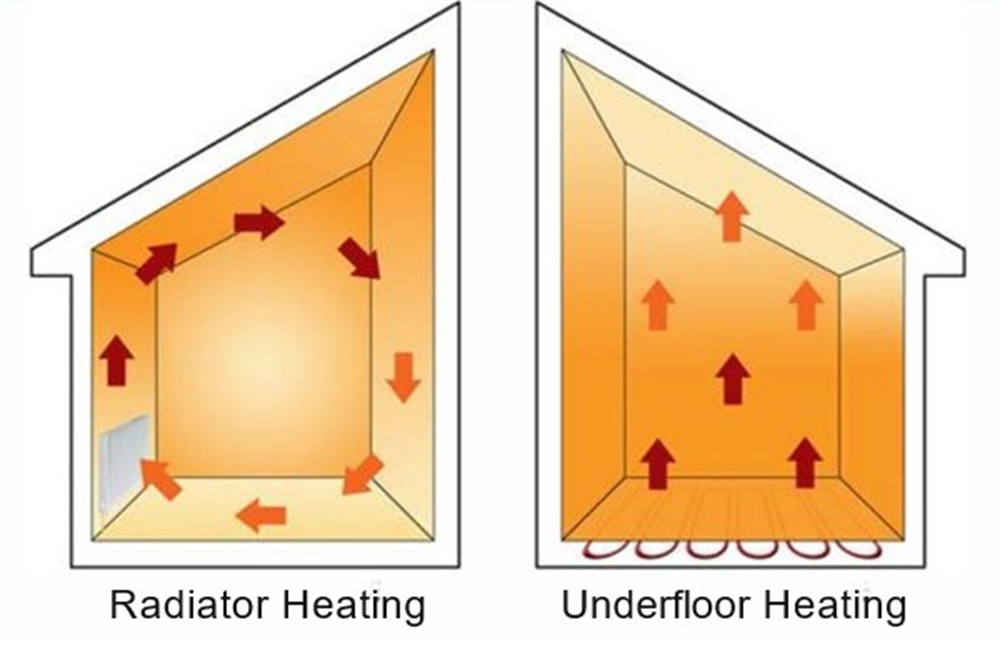
The heating cable heating system is not limited by environmental conditions and can be installed in any place with heating needs. It can be installed on the ground, walls, or ceilings, providing room heating, antifreeze insulation for pipelines, and melting snow and ice on outdoor roads and roofs. Especially for larger spaces such as clubs, exhibition halls, cinemas, sports halls, etc., the heat transfer distance of wall mounted radiators is limited, making it difficult to meet the heating requirements of the entire indoor space. In addition, the indoor heat distribution is uneven, and the ground radiation heating method of heating cables uses the entire ground as a radiator, resulting in uniform indoor temperature distribution. At any position in the room, there will be a warm and comfortable feeling. For large space buildings with glass curtain wall structures, since radiators cannot be installed on the wall, it is more suitable to install heating cable heating systems.

The reason why heating cable heating is called the most ideal heating method in winter is not only because of its economy, safety, convenience, and high quality, but also because it regards people as the main body of life, highlighting the three modern life themes of comfort, health, and environmental protection; Highly humanized design, simple and flexible control methods, bring great convenience to users; The system structure hidden underground maximizes the saving of indoor space.

Comfortable physical sensation:

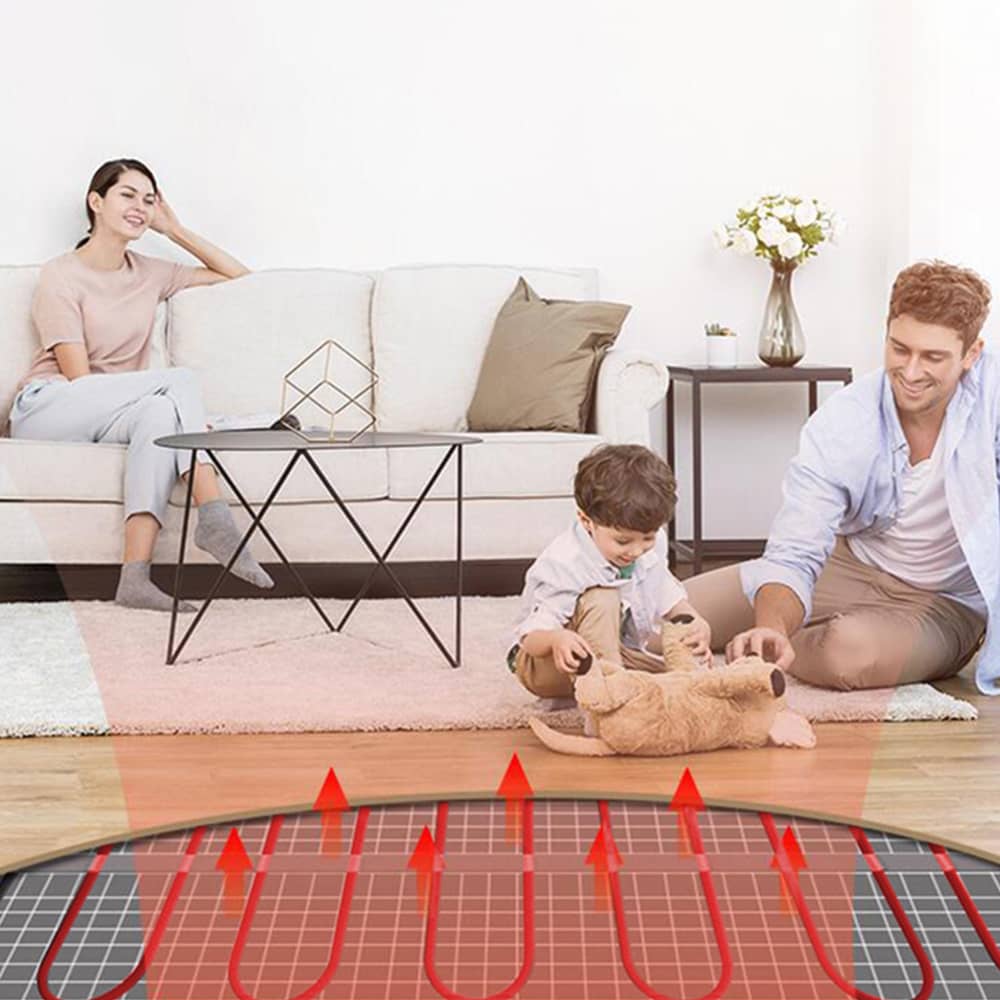
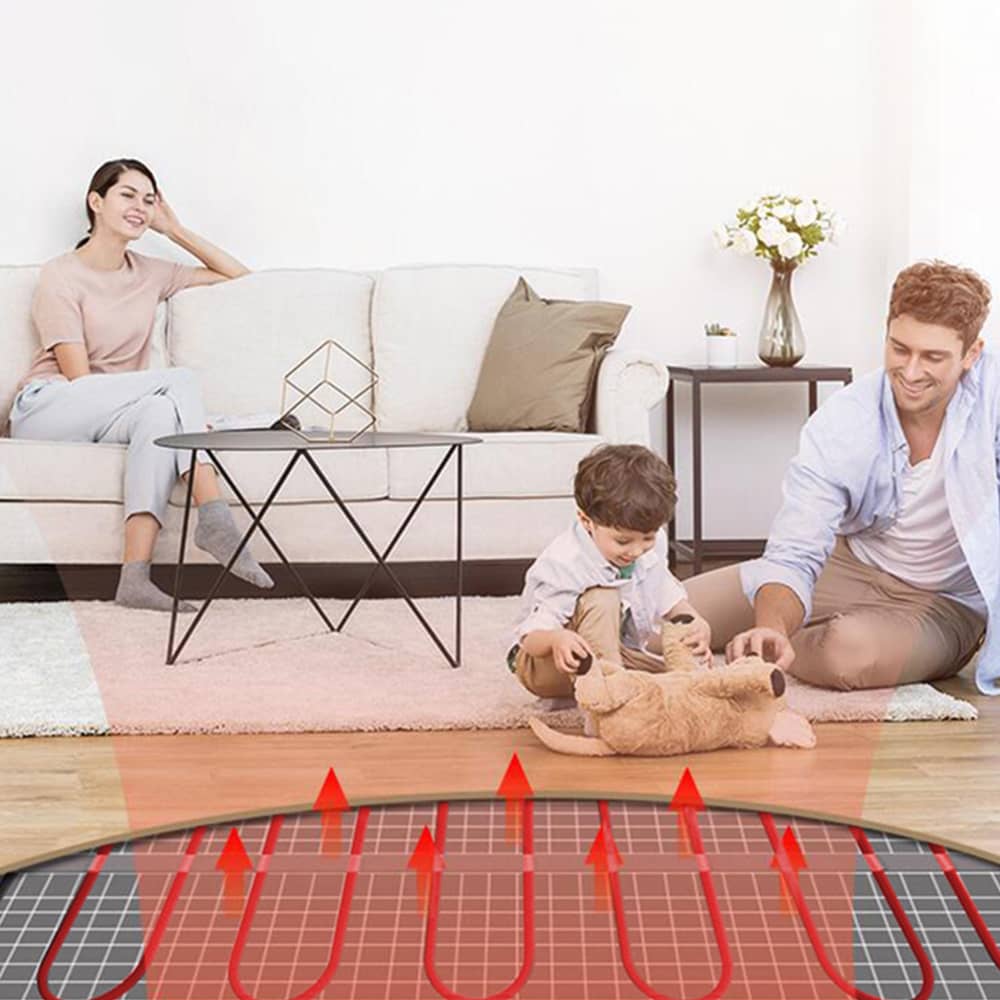
The heating cable heating system mainly relies on far-infrared radiation for heat transfer (accounting for more than 60% of the total heat transfer), and its radiation principle is the same as that of solar radiation. The ways of heat transfer are divided into three forms: convection, conduction, and radiation. Radiant heat is the most comfortable way of heat transfer for the human body, giving people a warm feeling like sunshine without air flow or dryness. People can set the most suitable indoor temperature according to their own needs, which is not affected by outdoor temperature or seasonal restrictions, and always maintains a warm and spring like feeling indoors.

Having health functions:

Due to the use of the ground as a heat dissipation surface, heat is transferred from bottom to top, giving people a feeling of warmth and coolness. According to medical principles, the most comfortable temperature for human foot sensation is 29 ℃, and the most comfortable temperature for head sensation is 18 ℃. The environmental temperature created by the heating cable heating system is exactly in line with the physiological needs of the human body, which is very beneficial to human health. At the same time, far-infrared radiation has health benefits for the human body, making it the most scientific heating method.

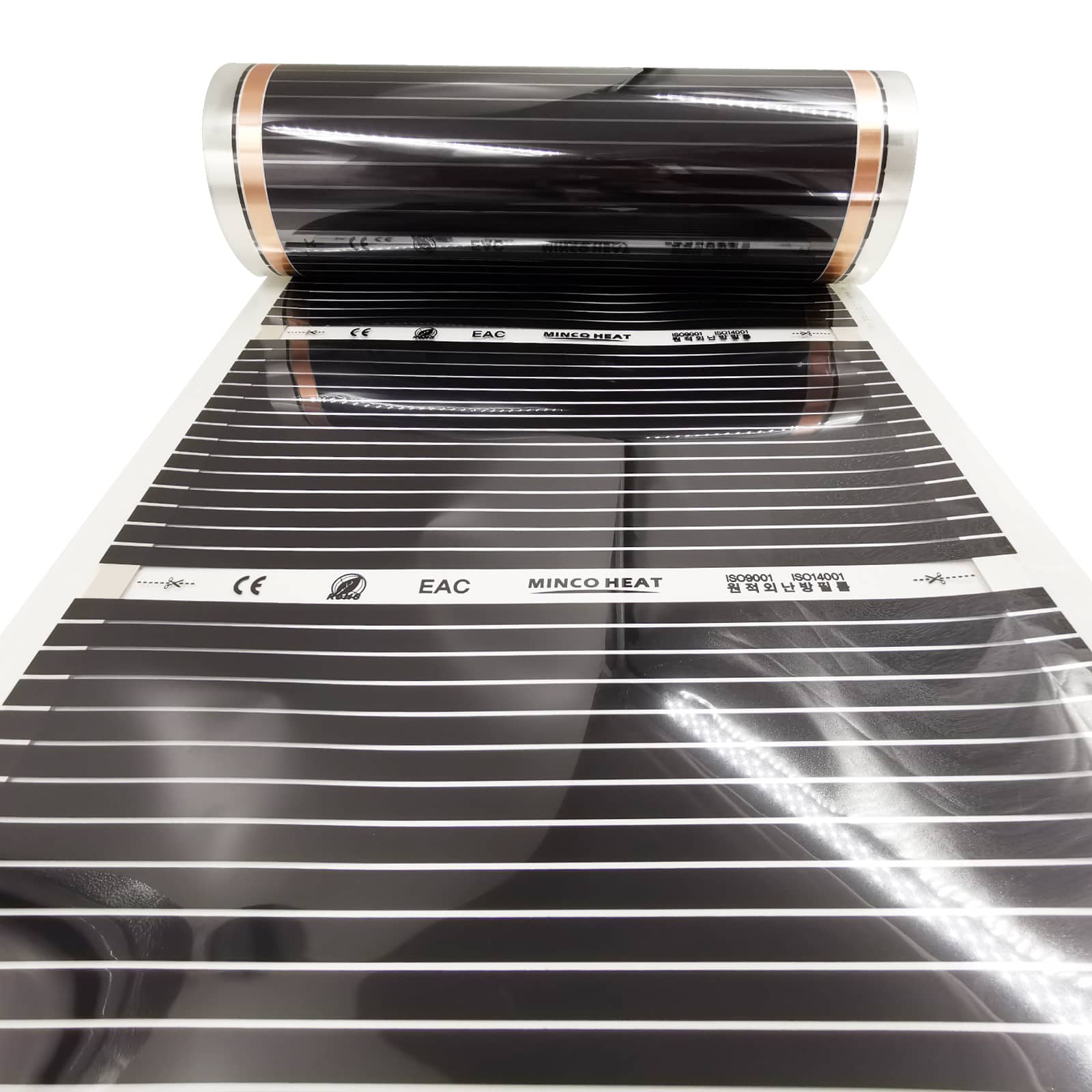
Electric heating floor heating mat as a modern home comfort solution has become more and more popular in recent years. Not only do they provide even heat distribution, they also save space and reduce dust and allergen accumulation. However, for owners considering installing electric floor heating pads, assessing their cost-effectiveness is an important decision factor. This paper will discuss the initial installation cost, operation cost and long-term energy saving and economy of electric heating floor heating pad in detail.

The cost of installing an electric floor heating pad is affected by a number of factors, including the size of the house, the type of flooring and the complexity of the installation. Electrically heated floor heating pads are generally less costly than water heating systems because there is no need to install a boiler and piping system. However, installation costs will also vary depending on the brand of floor heating mat chosen and the quality and efficiency of the installation service.

The operating cost of electric heating floor heating pad mainly depends on the local electricity cost and the frequency of use of the system. Since electricity prices can vary significantly from region to region, operating costs vary accordingly. The energy efficiency of electric floor heating pads and the accuracy of thermostats also affect operating costs, as an efficient system reduces energy waste.

The energy saving efficiency of electric heating floor heating pad is an important part of its cost efficiency. Because the floor heating pad provides uniform heating from the floor to the room, it can reduce heat loss and improve thermal efficiency. Compared to traditional forced air heating systems, electric heating floor heating pads do not require a lot of energy to push the air flow, thus reducing energy consumption. In addition, underfloor heating pads can operate at lower temperatures because the heat is transferred directly to the living space rather than through the air.

Although the initial installation cost of electric heating floor heating pads may be higher than that of traditional heating systems, the long-term energy saving benefits may offset this additional cost. Floor heating pads have a long service life, low maintenance costs, and are unlikely to require frequent replacement or upgrades. In addition, electrically heated underfloor heating pads can increase the value of a home, making it a potential return on investment.


During the cold season, stepping into a warm and cozy bathroom is a great way to enhance your home experience. As an important part of modern home comfort, the electric floor heating system not only provides a mild heat source, but also increases the beauty and practicality of the bathroom. So how to install electric floor heating in the bathroom has also become a concern for many families. This article will delve into how to effectively install an electric underfloor heating system in your bathroom to ensure safety, efficiency and durability.
 

Choose the right electric floor heating products


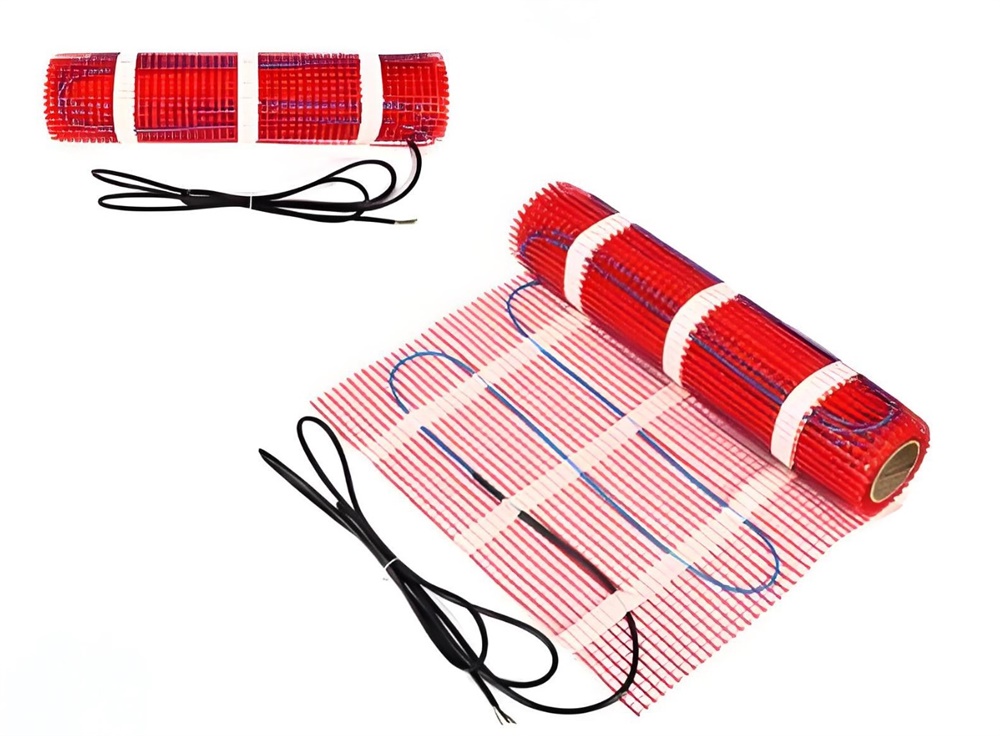
Choosing an electric floor heating product suitable for the bathroom environment is crucial. Common types of electric floor heating on the market include heating cables and electric thermal film. Considering the high humidity of the bathroom, it is recommended to use a waterproof heating cable system, which is designed for humid environments and can guarantee long-term stable operation.
electric floor heating


Evaluate bathroom space and heat load requirements


Before purchasing an electric floor heating system, it is necessary to accurately measure the space size of the bathroom, and calculate the required heat load according to the thermal insulation performance of the room, the size of the window and the external climate conditions. This step is essential to determine the required electric underfloor heating power and budget.
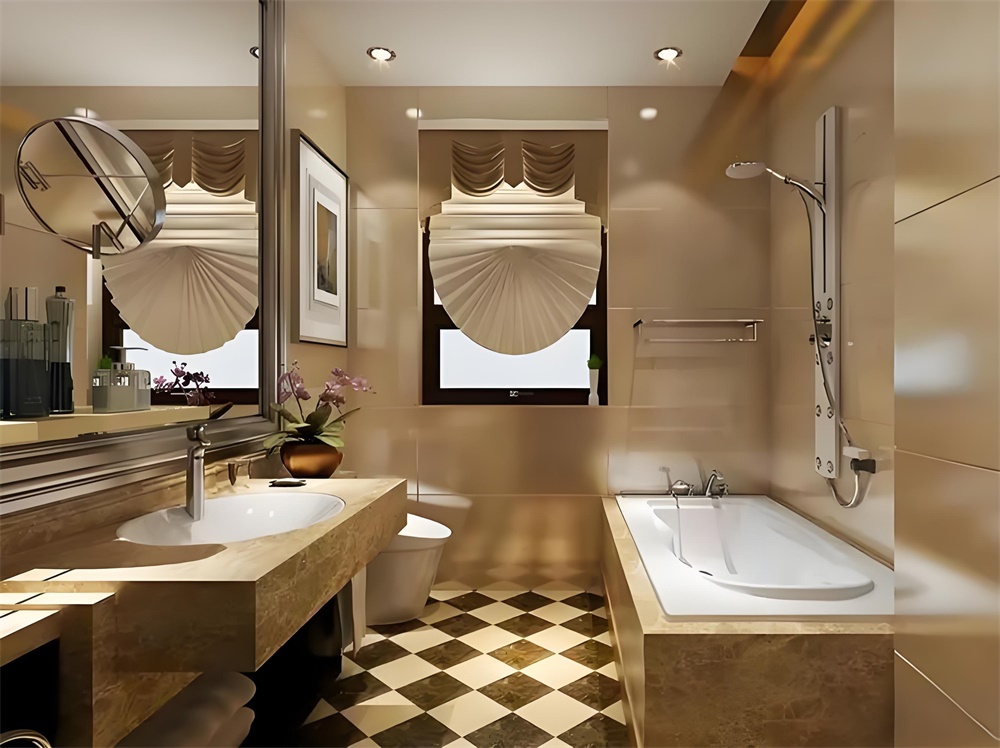
 

Prepare the bathroom floor


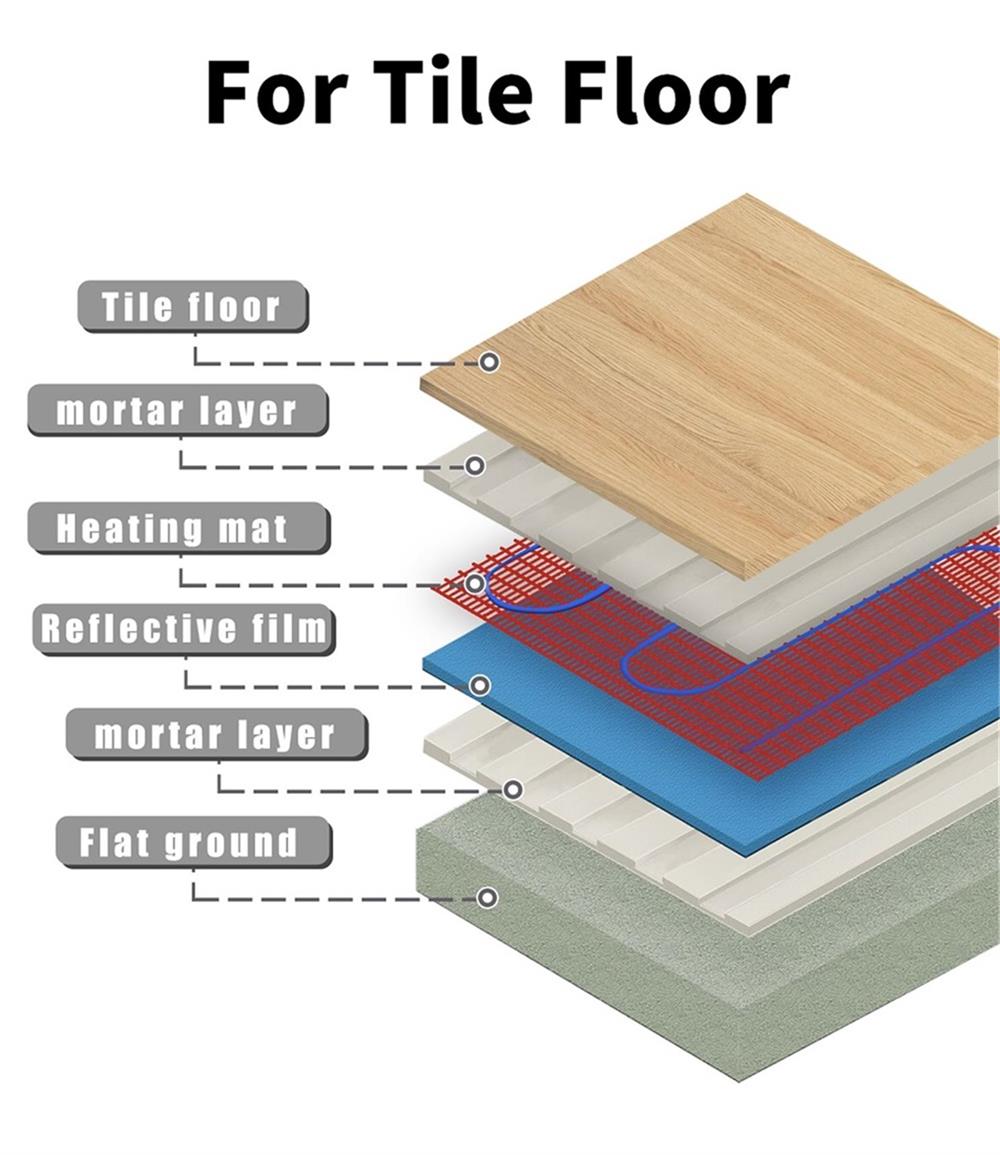
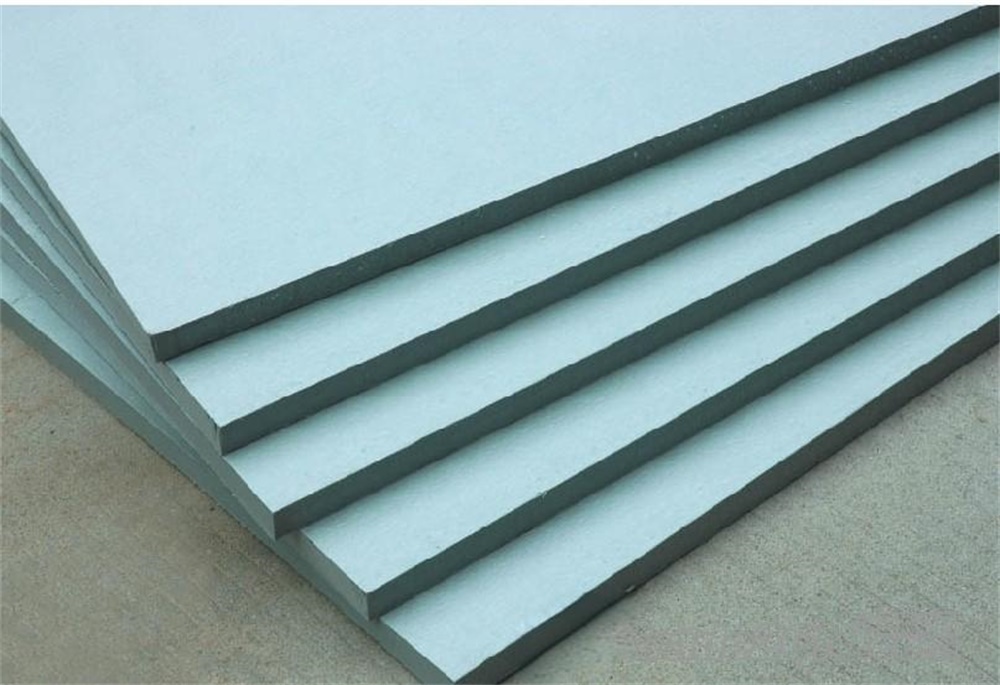
Before installing electric floor heating, ensure that the bathroom floor is smooth, dry and free of dust. The ground should be insulated to reduce heat loss downwards and improve the heating efficiency of the entire system. In addition, in order to prevent the cracking of floor materials such as tiles, a special floor heating reflective film can be considered.
 

Laying heating cables accurately


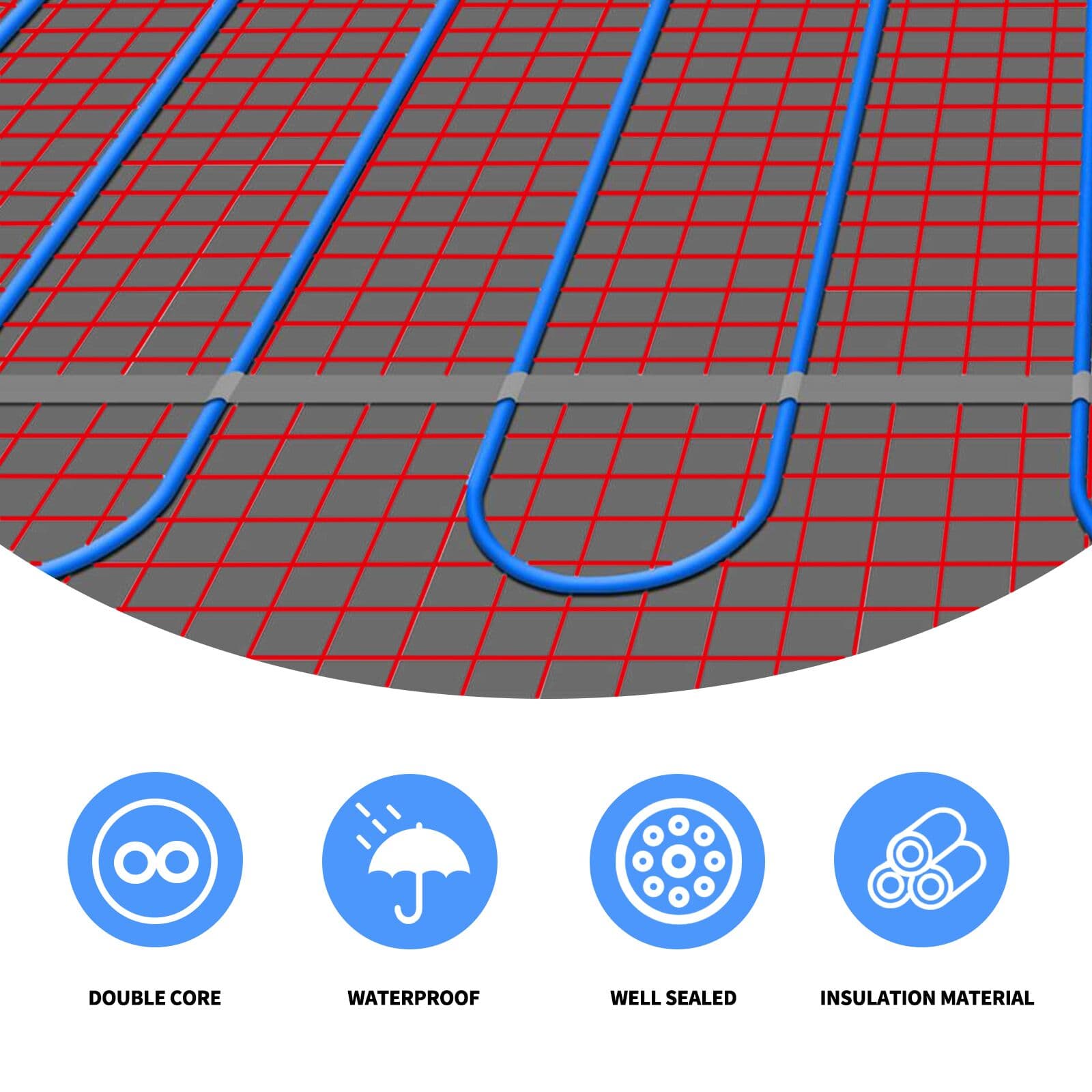
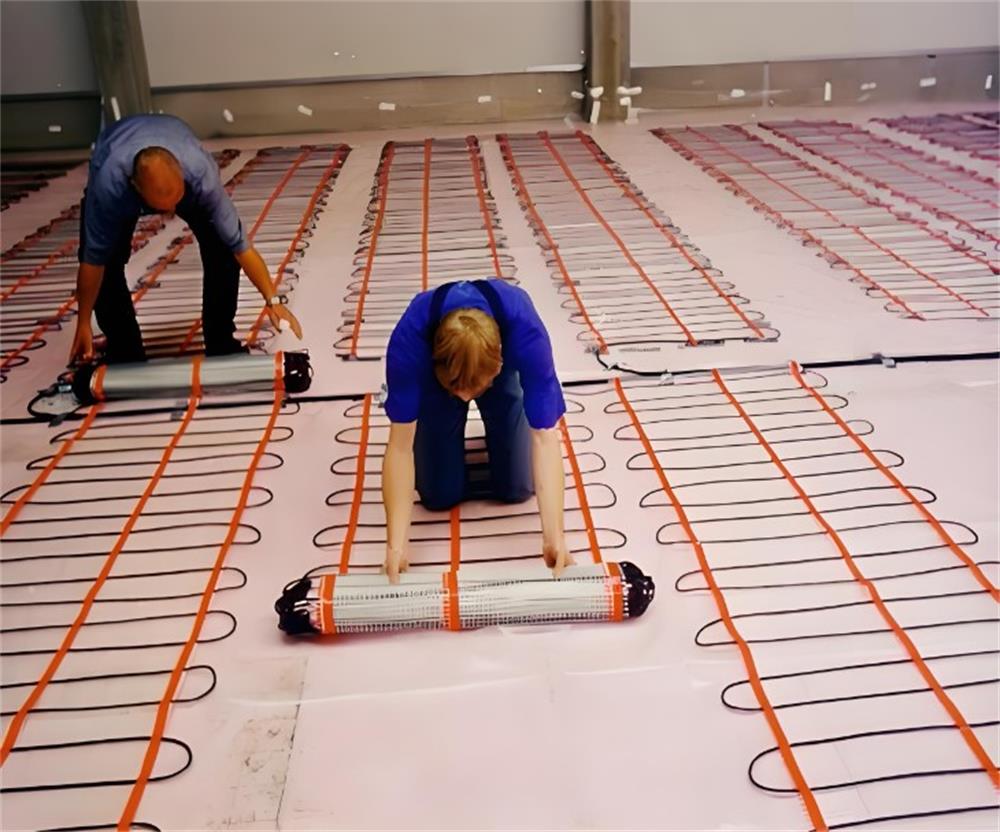
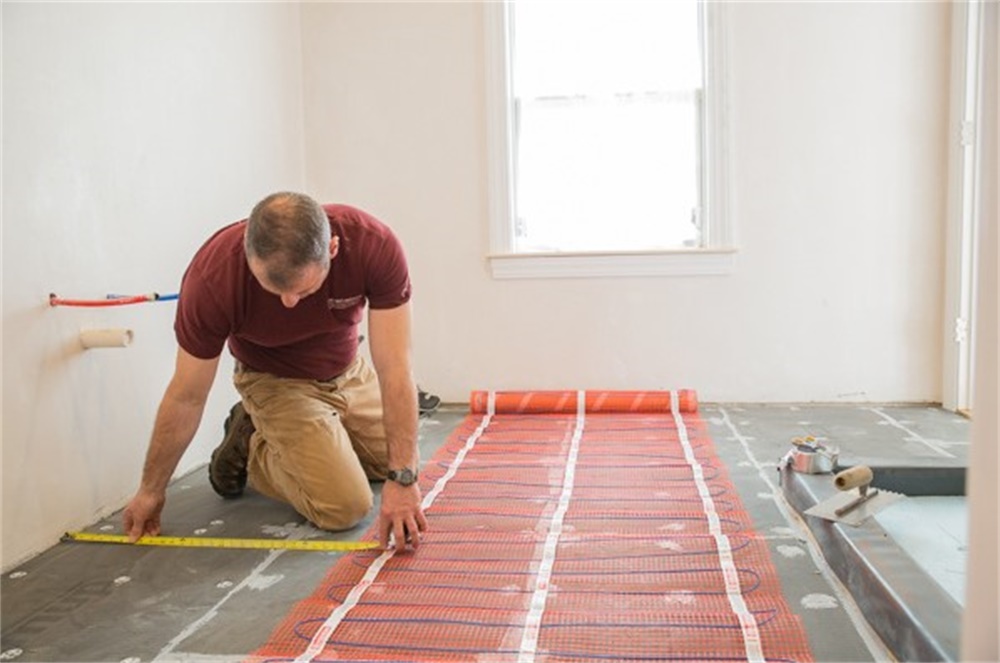
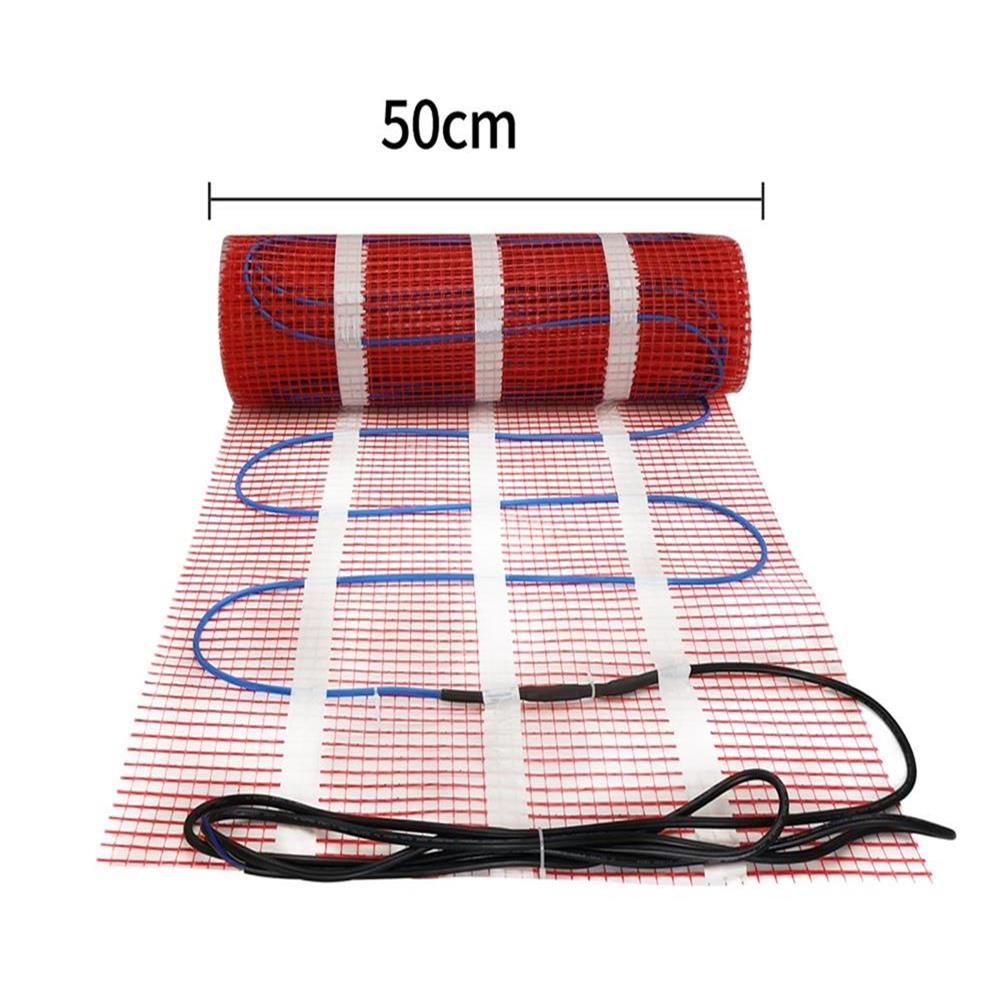
According to the instruction manual provided by the manufacturer, lay the heating cable evenly on the thermal insulation layer at a reasonable distance. Ensure that the required distance between cables and between cables and walls is maintained to avoid overheating or uneven heat. After the cable is laid, special testing instruments should be used to check its continuity and insulation.
 

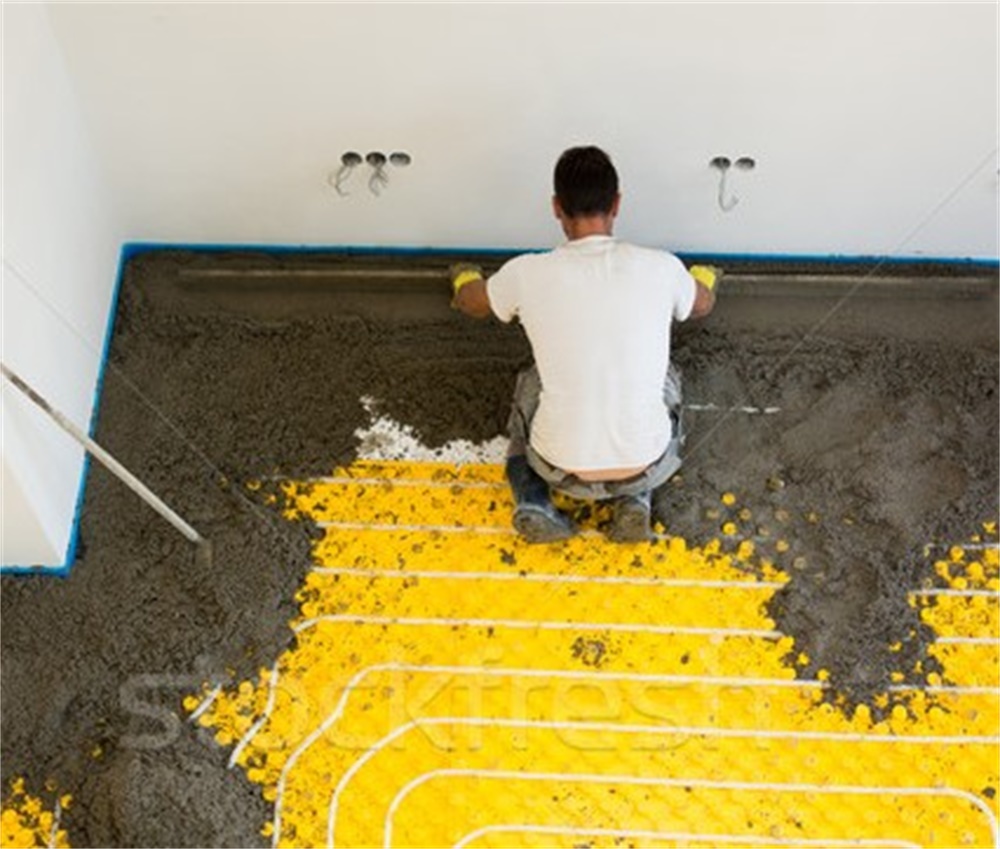
Cover the heat transfer layer and surface material


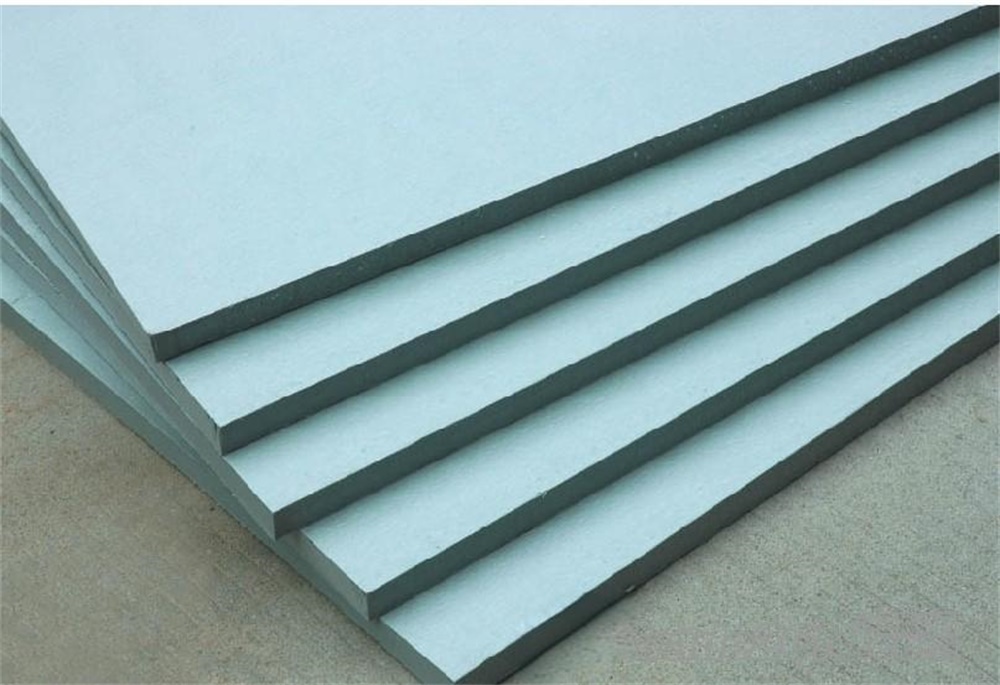
The heating cable is covered with a heat transfer layer, such as fine stone concrete or special heat conduction plate, to ensure that the heat is evenly distributed to the ground surface. Finally, choose and install tiles, marble or other types of floor decoration materials according to personal preference.
 

Connect the power supply and test the system


After completing the floor construction, connect the electric floor heating system to the power supply and debug it according to the manufacturer's instructions. At this stage, the system is checked to ensure that the thermostat is set correctly for optimal heating and energy efficiency.
 

Precautions and maintenance

During the installation, pay attention to the waterproof treatment of the electric floor heating system to avoid moisture in parts such as cable joints. At the same time, check the operating status of the system regularly, and clean up dust and impurities in time to extend the service life.

 

The floor heating mat has become the choice of more and more families for its energy-saving and comfortable characteristics. Behind this modern convenience, however, are considerations of safety, efficiency and environmental protection, which are governed by a range of laws, regulations and industry standards. Understanding and complying with these regulations is essential to ensure the safety and efficiency of the use of floor heating MATS.


Regarding electrical safety, as an electrical product, the floor heating mat must comply with the electrical regulations of the country or region. This usually requires the product to pass a specific safety certification, such as the CE mark, which proves that the product meets the safety, health and environmental protection requirements of the European Economic Area. Similar certification as well as the United States UL mark, these are floor heating MATS must go through the "safety pass" before entering the market.


When installing floor heating MATS, in addition to following the instructions in the product manual, local building and electrical regulations must be strictly observed. This includes, but is not limited to, the standardized laying of electrical wiring, reasonable selection of floor materials, and ensuring good thermal insulation performance. The correct installation method can not only improve the efficiency of the floor heating pad, but more importantly, ensure the safety of use.


When using the floor heating pad, the user should check and maintain it regularly to maintain its best working condition. This includes checking whether the power cord and thermostat are working properly, and whether the ground is smooth and without damage. Finding and solving these problems in time can avoid potential security risks.


As a way of heating in winter, while bringing warmth, it must also strictly comply with relevant laws and regulations and industry standards. From production to installation to daily use, compliance at every step is related to user safety and product performance. Only by deeply understanding and following these specifications can floor heating pads truly become a source of warmth for our safety and comfort. Let us protect the warmth woven by laws and standards together, and enjoy a peace of mind and comfortable winter warmth.

Underfloor heating system, as an efficient, energy-saving and environmentally friendly heating method, is more and more favored by architects and owners. In particular, the floor heating pad, with its easy installation and relatively low cost characteristics, has shown a unique advantage in renovation projects and new buildings. The purpose of this paper is to discuss the application of floor heating pad in these two types of building projects, evaluate its applicability, and predict its future development trend.


Technical characteristics and advantages of floor heating pad

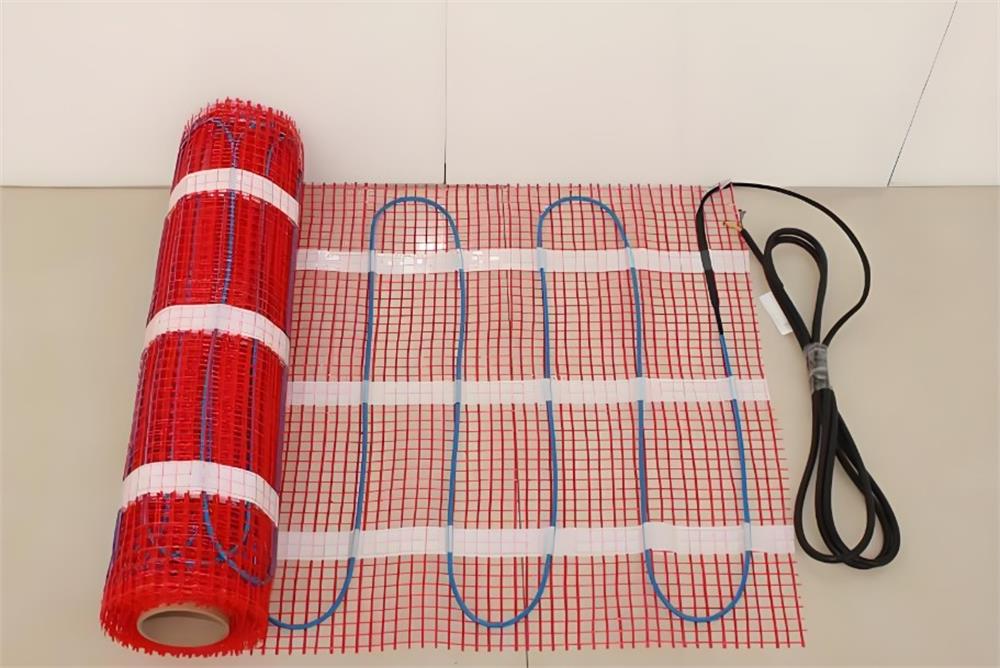
1.Easy installation: The thin and light characteristics of the floor heating pad make it convenient to lay under the ground material, without complex pipeline system, which greatly shortens the construction period.

2.Energy saving and high efficiency: electric floor heating has high thermal efficiency, can quickly respond to temperature changes, achieve accurate temperature control, and reduce energy waste.

3.Space flexibility: Especially suitable for local heating needs, the heating area can be flexibly adjusted according to the use of the room.

4.Simple maintenance: Because there is no liquid circulation system, the maintenance cost and failure rate of the floor heating pad are relatively low.


Application of floor heating pad in renovation project

1. No need to destroy the original structure: traditional water heating systems need to lay pipes, which often involves the excavation and reconstruction of the ground. The floor heating pad can be installed directly on the existing ground, reducing the damage to the building structure.

2. Quick implementation: The installation process of the floor heating pad is simple and quick, and can be completed in a very short time, which is a huge advantage for owners who want to resume use as soon as possible.

3. Enhance comfort and value: Through the installation of floor heating MATS, not only improve the comfort of the living environment, but also increase the market value of the house.


Application of floor heating pad in new building

In new construction projects, floor heating MATS have also shown good applicability. Designers can pre-plan the layout of the floor heating pad according to the functional zoning and user needs of the building to achieve a more personalized and efficient heating scheme. In addition, the installation of floor heating MATS in new buildings is not restricted by the existing structure, and can be more flexible to integrate with other building systems, such as intelligent temperature control systems, further improving energy efficiency and user experience.


Although floor heating pads show great potential in renovation and new construction projects, there are still some challenges. The first is the cost issue, although its installation and maintenance costs are relatively low, but the initial investment is still higher than traditional heating systems. Secondly, electric heating has higher requirements for power supply, which may be a limiting factor in some areas where power resources are tight.