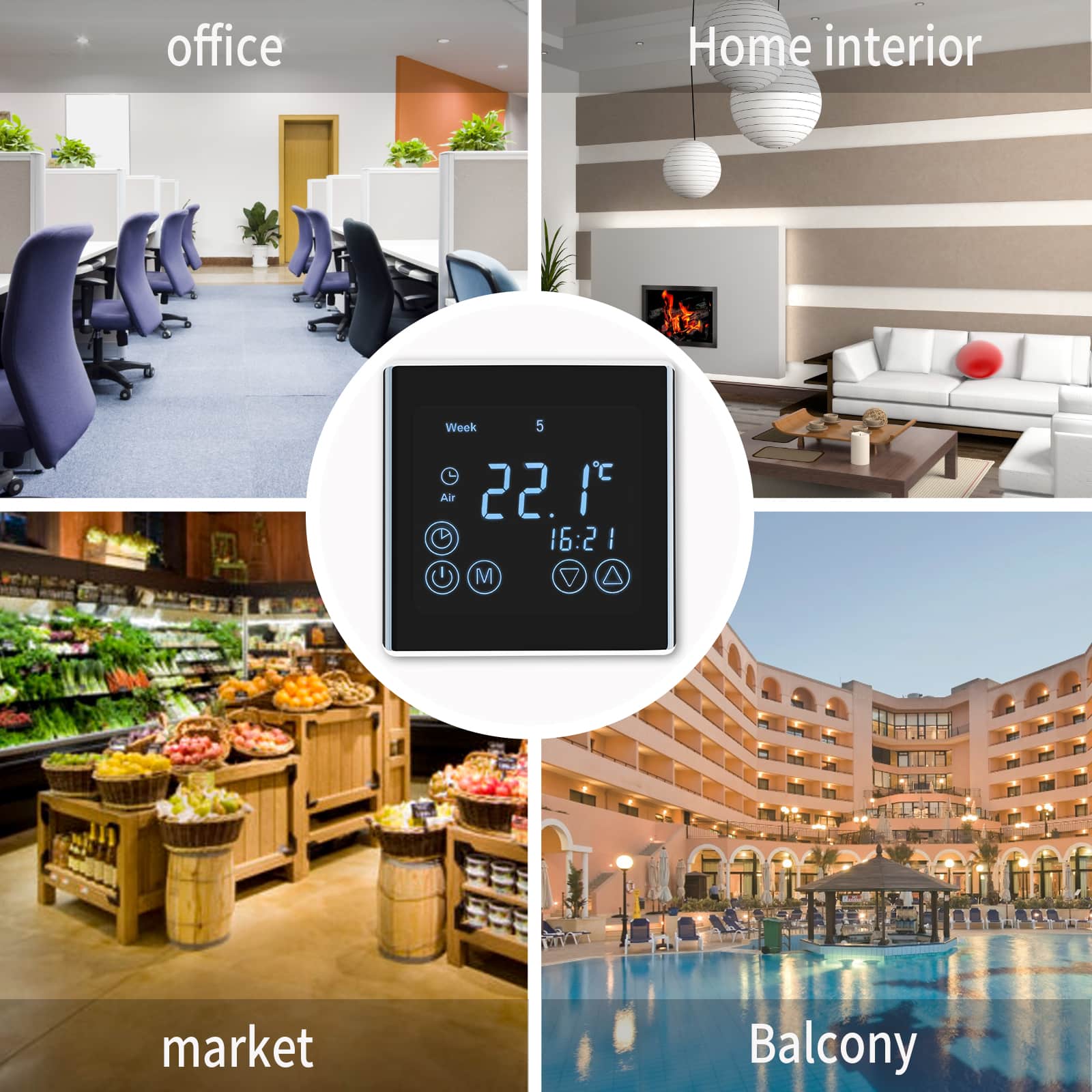
1、 Temperature control accuracy and stability advantages


  • Closed loop control achieves constant temperature effect

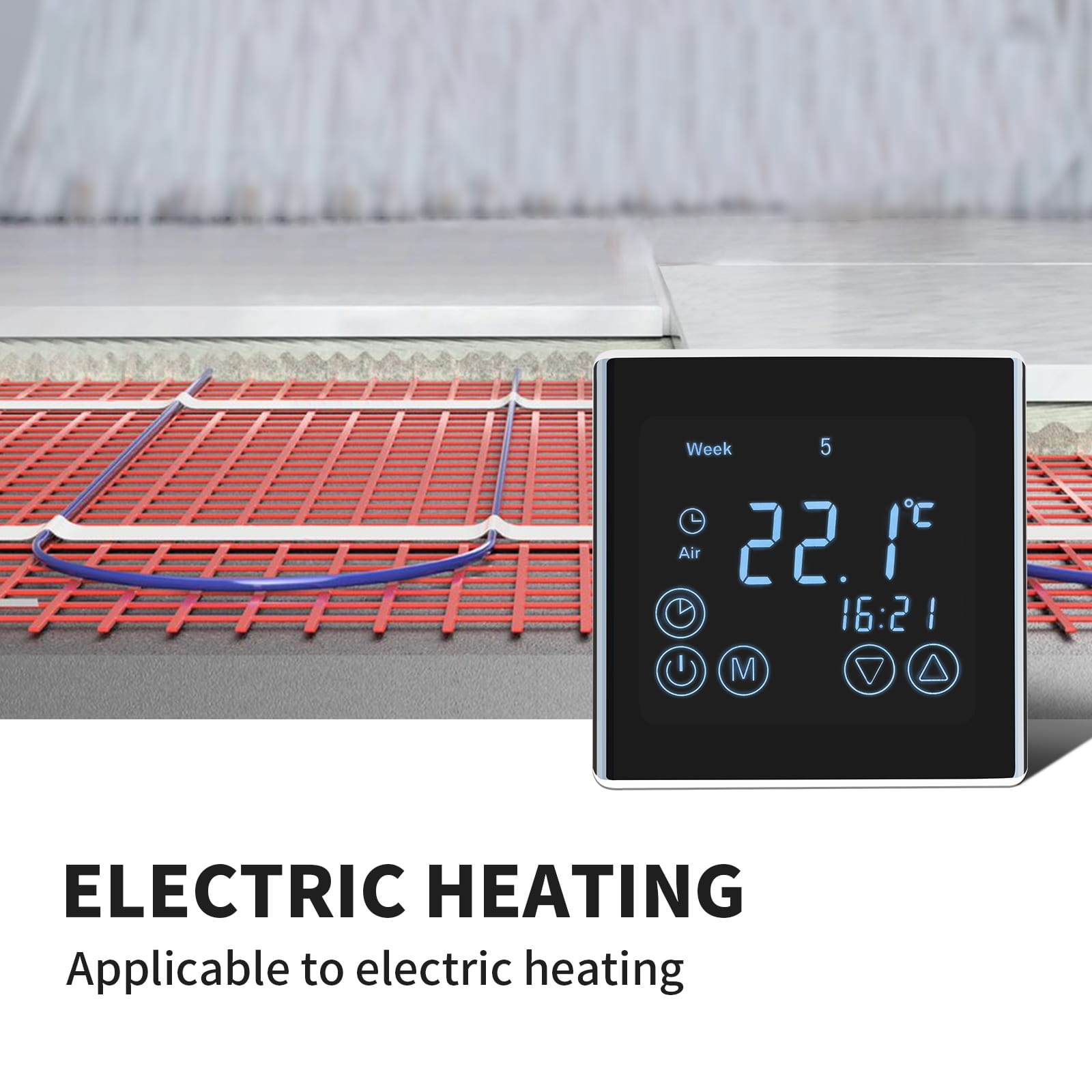
The thermostat automatically starts and stops the heating cable by collecting temperature signals in real-time (such as PT100 sensor accuracy of ± 0.1 ℃), comparing them with the set value, to avoid significant fluctuations in "overheating cooling" of traditional heating methods (such as electric blankets).

Case: In a underfloor heating system, a temperature controller paired with carbon fiber heating cables can control the room temperature within a set range of ± 0.5 ℃ (traditional boiler heating temperature difference is usually ± 2 ℃).

  • Flexible adaptation to different scene requirements

Programmable temperature controllers support temperature control in different time periods (such as 22 ℃ during the day and 18 ℃ at night), and with constant power heating cables, can customize temperature curves for greenhouse seedling cultivation, industrial pipelines, and other scenarios. Self limiting cables and mechanical temperature controllers are suitable for simple antifreeze scenarios (such as bathroom pipeline insulation).


2、 Energy utilization efficiency and energy-saving advantages


  • On demand heating reduces ineffective energy consumption

The thermostat only activates the heating cable when the temperature is below the set value, avoiding heat waste caused by continuous heating. For example, in civil heating scenarios, compared to electric heaters that are constantly on for 24 hours, the temperature controller+heating cable system saves about 30% to 40% energy (data source: GB/T 39848-2021 Energy Efficiency Standard for Electric Heating Systems).

  • Power matching optimization operating cost

The temperature controller is configured with a single load of 80% of the total power of the heating cable (leaving a 20% margin) to avoid power loss caused by the "big horse pulling small car". Taking 100 ㎡ underfloor heating as an example, a 2000W heating cable paired with a 2500W thermostat can reduce standby power consumption by approximately 120kWh per year compared to a 3000W thermostat.Minco heating cable


3、 Advantages of system security and reliability


  • Multiple protections to prevent overheating risks

The temperature controller is equipped with built-in overheat protection (such as setting an upper limit of 60 ℃ for forced shutdown), combined with the insulation layer of the heating cable (such as PE sheath with a temperature resistance of 90 ℃), which can prevent local overheating from causing fires. In industrial scenarios, explosion-proof temperature controllers and MI mineral insulated heating cables can better meet the requirements of hazardous environments (such as gas station pipeline heating).

  • Convenience of fault diagnosis and maintenance

The digital temperature controller can display temperature abnormal codes in real time, and with the segmented detection of heating cables, it can quickly locate the fault point, improving maintenance efficiency by more than 50% compared to traditional heating systems.


4、 Advantages of application flexibility and adaptability


  • Multi scenario customized solution
  1. In the civilian field, temperature controllers and heating cables are installed in separate rooms to achieve differentiated heating of 22 ℃ in the master bedroom and 20 ℃ in the secondary bedroom;
  2. In the industrial field, in the heat tracing of storage tanks, the temperature controller can be linked with a liquid level sensor (to strengthen heating when the liquid level is low) to avoid medium solidification;
  3. In the agricultural field, heating cables are laid under the seedling beds, and the temperature controller automatically switches between "28 ℃ during the day/18 ℃ at night" to promote crop growth.

Compatible upgrade with intelligent systems

IoT temperature controllers (such as those with Modbus interfaces) can be connected to building control systems (BMS) and form an intelligent heating network with heating cables for "remote monitoring+big data analysis", suitable for large parks or data centers.


5、 Advantages in lifespan and maintenance costs


  • Extend the service life of equipment

The "gap start" mode (non continuous operation) of the thermostat reduces the loss of heating cables during long-term full load operation. Carbon fiber heating cables can have a service life of 15-20 years under the control of the thermostat

  • Reduce maintenance costs

The standardized interface between the thermostat and the heating cable facilitates the replacement of accessories, and the scale cleaning requirements of the waterless circulation system (compared to the water heating system) can reduce maintenance costs by more than 60% annually.


6、 Environmental and installation advantages

  • Green, environmentally friendly, and pollution-free

The electric heating method has zero carbon emissions, and with the precise temperature control of the thermostat, it reduces about 2.3kgCO ₂/㎡ · year compared to gas boiler heating (taking Beijing as an example), which is in line with the trend of carbon neutrality.

  • Easy installation and space saving

The heating cable can be laid in narrow spaces such as under the floor and on the surface of pipelines. The wall mounted installation of the temperature controller only occupies 0.02 square meters, saving 30% of installation space compared to traditional boiler+radiator systems.


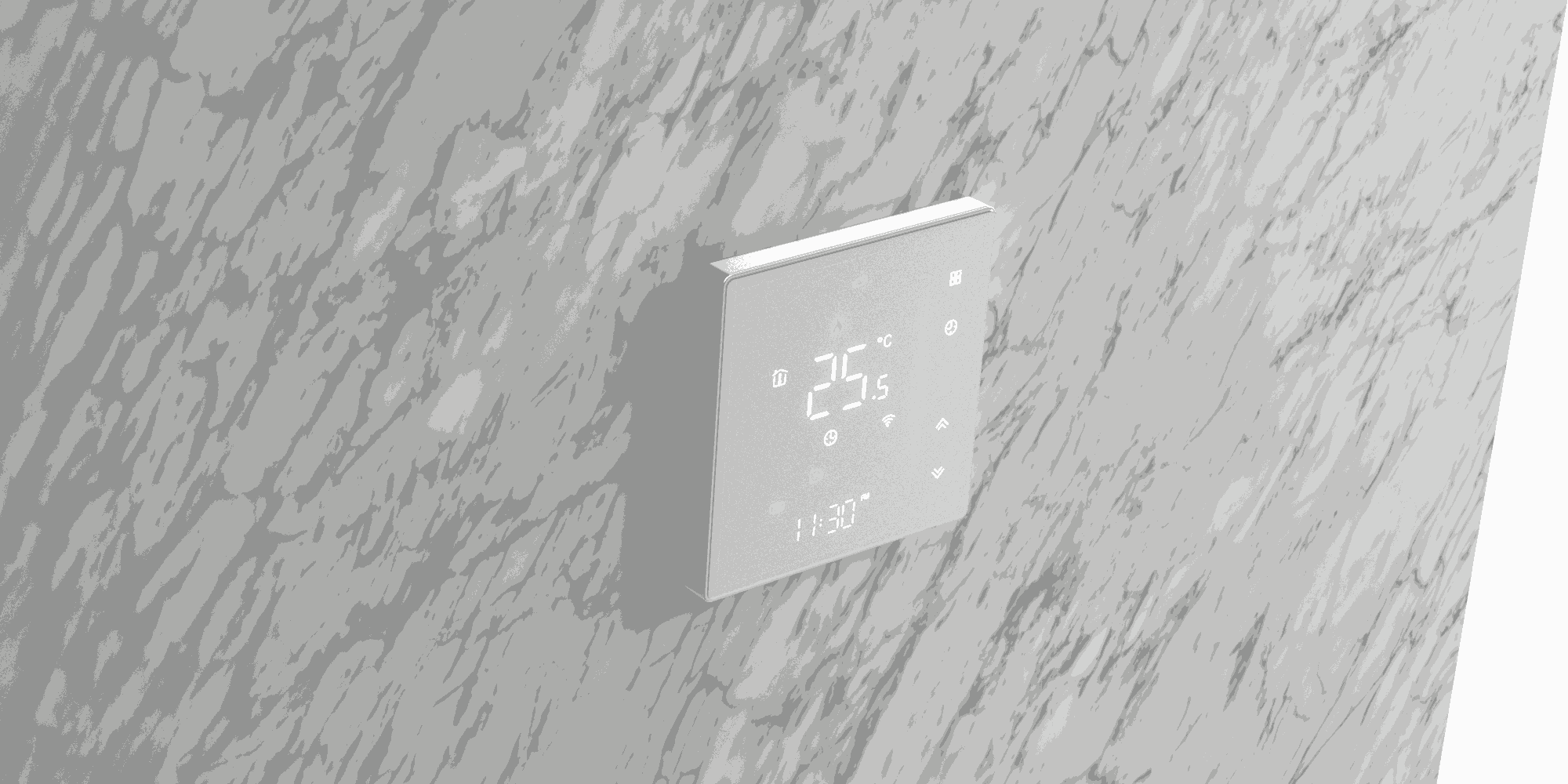
The essence of the combination of the two is the deep integration of "intelligent control" and "efficient heating", which not only meets the basic heating needs, but also achieves multiple improvements in energy efficiency, safety, and experience through technological collaboration. It is the core technical solution of modern electric heating systems.Intelligent temperature controller


The response time of the heating mats protection system varies depending on the protection function, core components, heating mats type, and specific product. Here are some common response time introductions for protection functions:


Overheat protection

  • At the hardware level: the temperature control switch generally operates within 1-5 seconds after the temperature exceeds the threshold (such as 70 ℃), causing the bimetallic strip to deform and disconnect the circuit. The response time of thermal fuses is relatively long. When the temperature suddenly rises, the low melting point alloy inside the fuse may melt within 10-30 seconds, permanently cutting off the circuit.


  • At the software level: the control chip is pre-set with an "over temperature threshold". If the sensor detects that the temperature exceeds the set limit value (such as 65 ℃), it can usually immediately cut off the power and light up the fault indicator light within 1-2 seconds.


Leakage protection: Insulation resistance monitoring can generally immediately power off and alarm within 1-2 seconds after detecting leakage current exceeding the set value (such as 0.5mA). The grounding protection (PE line) is combined with the residual current device (RCD), and in the event of leakage, the RCD can usually trip and cut off the power supply within tens of milliseconds.


Short circuit and overload protection: When the current exceeds the rated value, the fuse usually melts within 1-5 seconds. The overcurrent detection circuit monitors the current through a sampling resistor. If the current suddenly increases, the chip can cut off the MOS transistor switch within 10 milliseconds, and the response speed is much faster than traditional fuses.


The response time of the protection system varies for different types of heating mats. Traditional electric heating wire heating mats, due to the use of relatively simple protective devices, may have an overall response time of several seconds to tens of seconds; The carbon fiber smart and aluminum foil self temperature limiting high-end heating seats, with the help of advanced sensors, chips, and control algorithms, can usually shorten the response time to less than 1 second, and some high-end products can even reach millisecond level.

Minco heating system heating seat

Carbon fiber endows its composite materials with excellent properties due to its inherent characteristics, including high specific strength, high specific modulus, high temperature resistance, corrosion resistance, fatigue resistance, creep resistance, conductivity, heat transfer, and low coefficient of thermal expansion. This provides the possibility and inevitability for its application in the wire and cable industry.


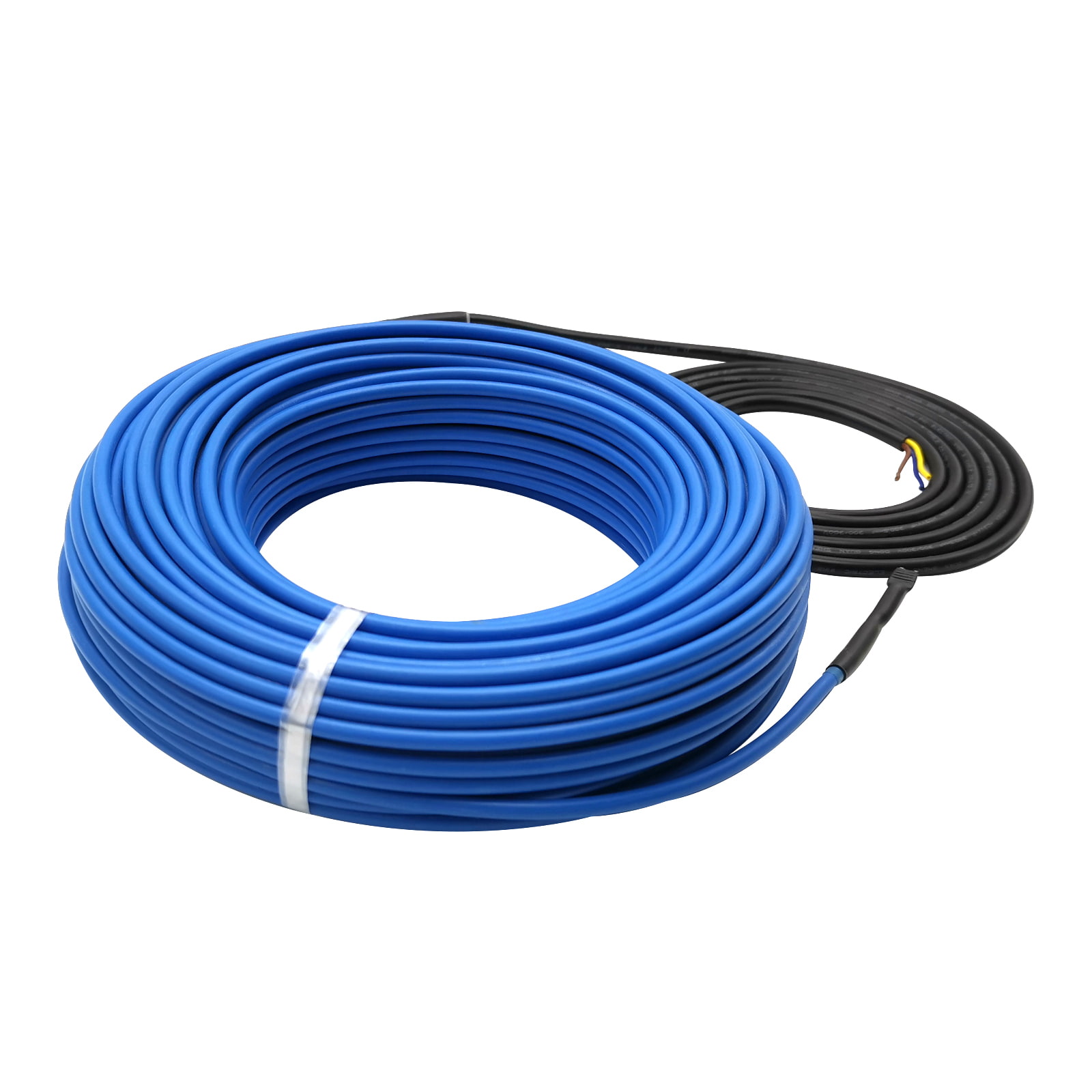
Development and Application of Carbon Fiber Heating Cable:


People have long known that electric heating technology using metal materials as heating elements has been widely applied in various fields. However, metal wires are prone to oxidation on the surface at high temperatures. Due to the continuous thickening of the oxide layer, the effective area for current flow decreases, increasing the current load and making them prone to burning out. Under the same allowable current load area, the strength of metal wire is 6-10 times lower than that of carbon fiber, and it is prone to breakage during use.


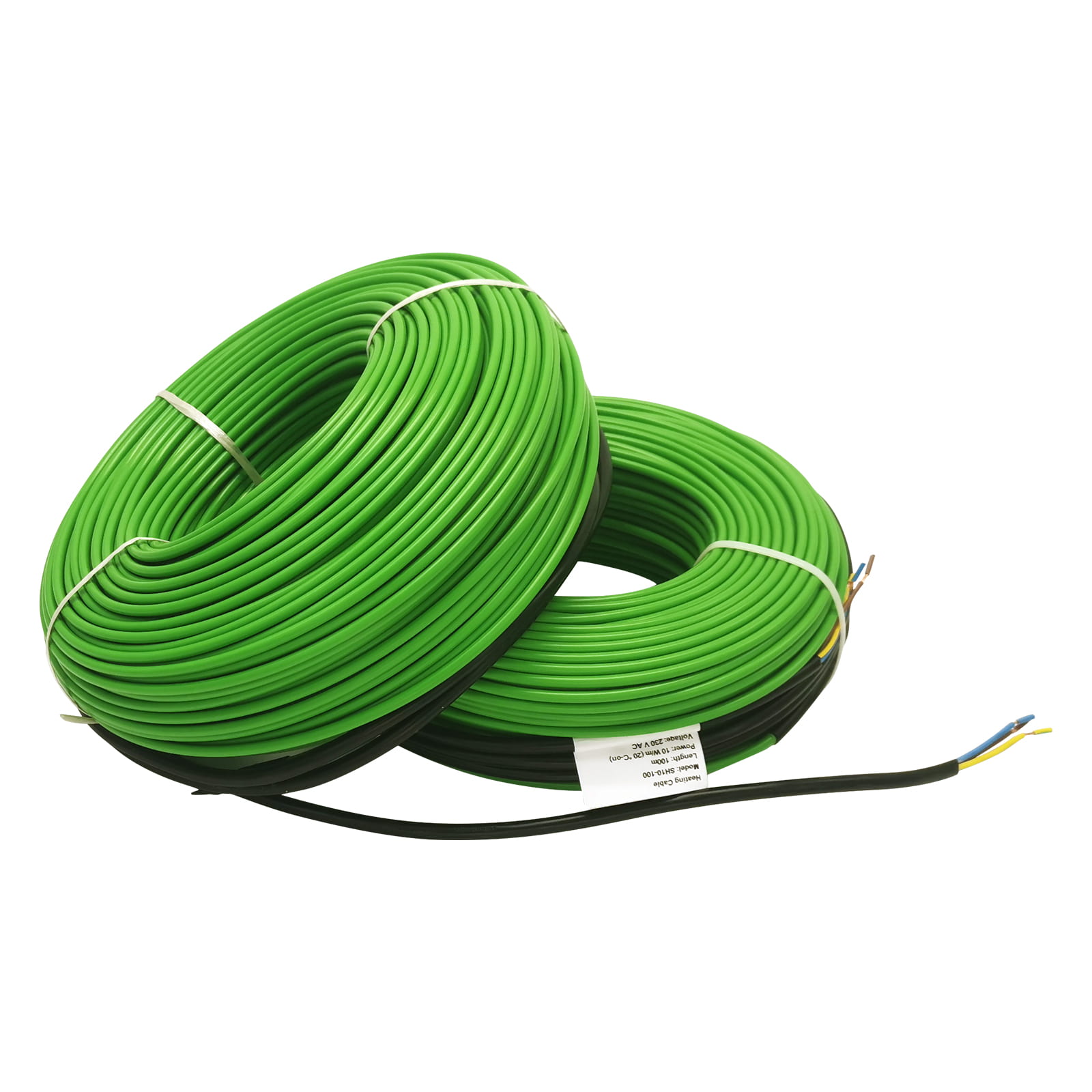
Carbon fiber is a hexagonal lattice layered structure composed of graphite, and is a fully black body material. Therefore, in electric heating applications, it exhibits high electric thermal conversion efficiency. Under specific conditions, high temperature does not oxidize, and the load intensity and mechanical strength per unit area of current do not change.Carbon Fiber Heating Cable


The current applications of carbon fiber heating cables are as follows:


Low temperature radiation heating cable floor heating system.


Thermal insulation heating for constant temperature brooding boxes, flower rooms, nurseries, vegetable greenhouses, etc.

Road snow melting and airport runway snow melting: Ideal products for floor heating in concrete structures, can also be used in snow melting devices to prevent frost on roof rainwater and drainage pipes, and can be used for soil heating.


Pipeline and tank insulation and antifreeze: Electric heat tracing products have been widely promoted and applied in China in recent years. Its application areas mainly focus on petroleum, chemical, power, railway, and civil or commercial buildings. With the development of China's power industry, the market prospects for electric heat tracing products, which mainly rely on clean and pollution-free electricity, are very broad. At the same time, higher requirements have been put forward for the performance of electric heat tracing products.


Soil insulation for football fields, lawns, and public green spaces: Solar water heaters are designed to supplement heat energy when the water temperature of the solar water heater cannot meet the needs of daily life or engineering due to insufficient sunlight during long-term rainy or winter seasons. It has strong resistance to extreme heat, cold, and high temperature and humidity environments, and has the function of preventing dry burning. Even if the water tank is occasionally short of water and accidentally powered on, it will not burn out the electric heater and water tank, ensuring safe use.Heating Cable

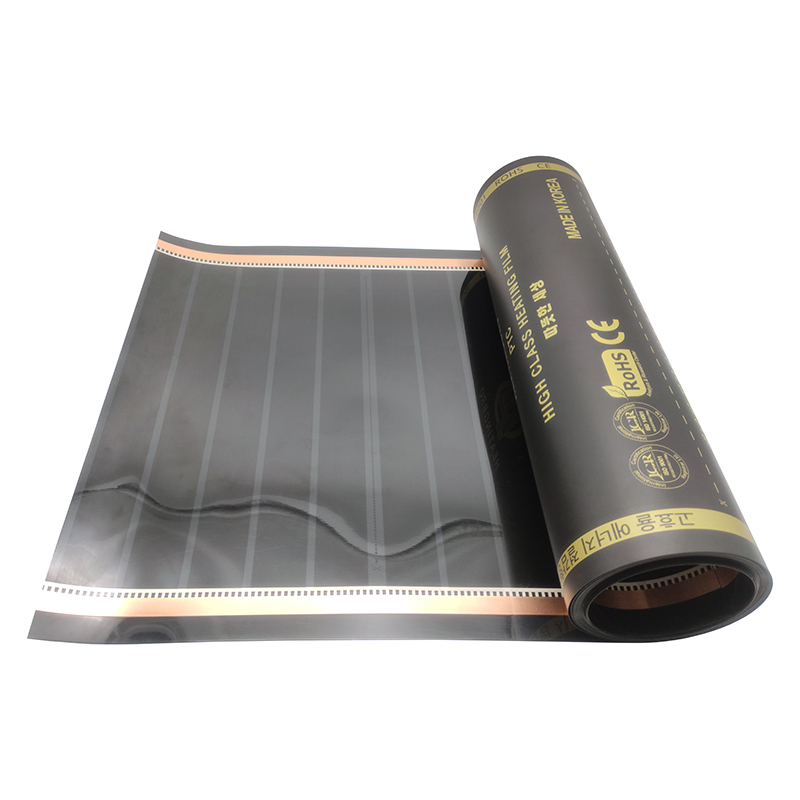
Efficient and energy-saving:

The electric heating conversion rate exceeds 98%, which is more energy-efficient than traditional resistance wire heating (conversion rate of about 80%) and meets the "dual carbon" goal.


Fast heating rate:

It can heat up to the target temperature (such as 50 ℃~100 ℃) within seconds, with a faster response speed than traditional PTC heating elements.


Good temperature uniformity:

In the planar heating mode, the temperature difference can be controlled within ± 2 ℃ to avoid local overheating, making it suitable for scenarios that require high temperature accuracy.


High safety:

No open flames, low electromagnetic radiation, and with insulation layer design (such as PET/PI substrate wrapping), it can achieve water and electricity separation.


Strong design flexibility:

Customizable size, shape, and power according to requirements, suitable for special scenarios such as flexible wearable devices and curved heating devices.

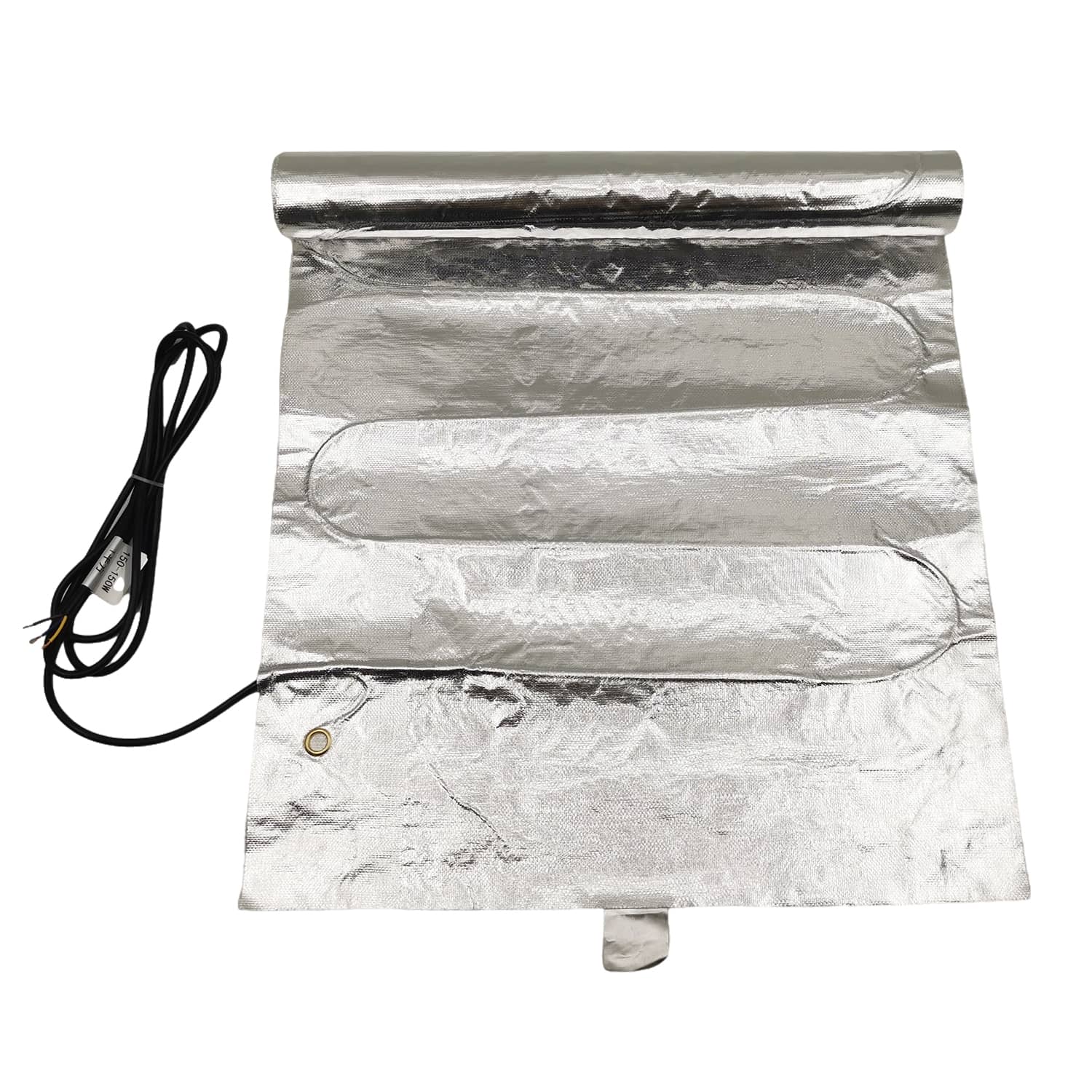
Introduction to heated seats:


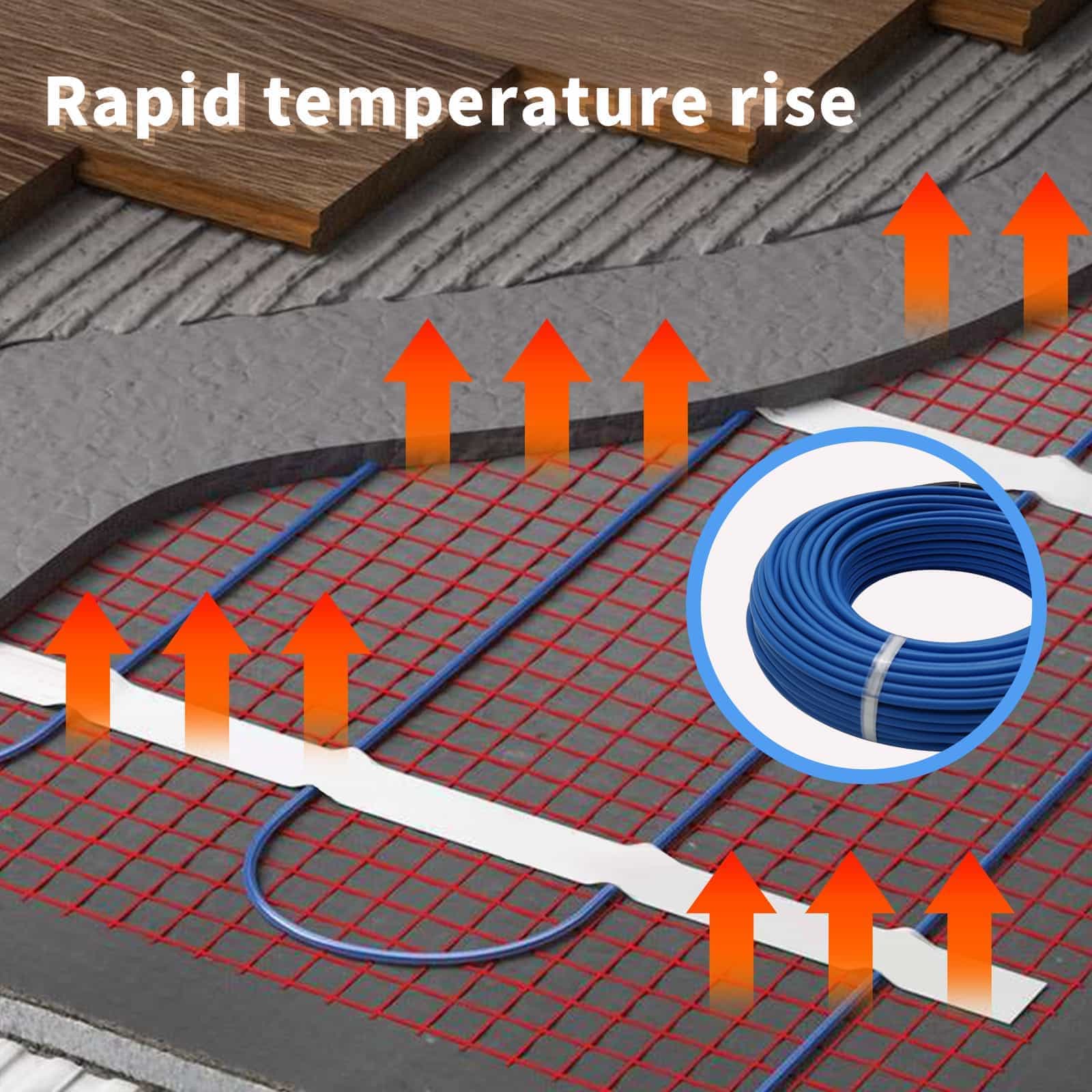
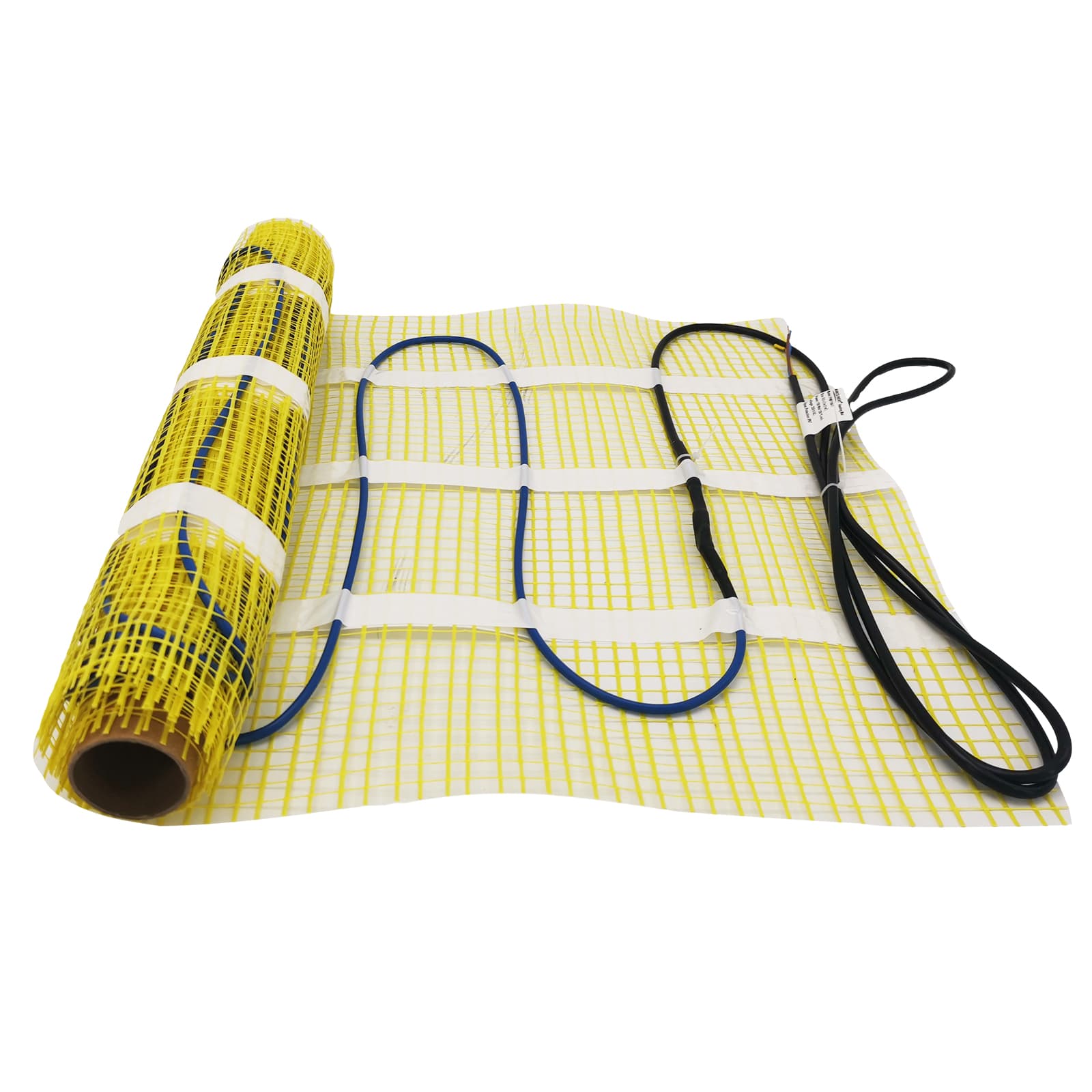
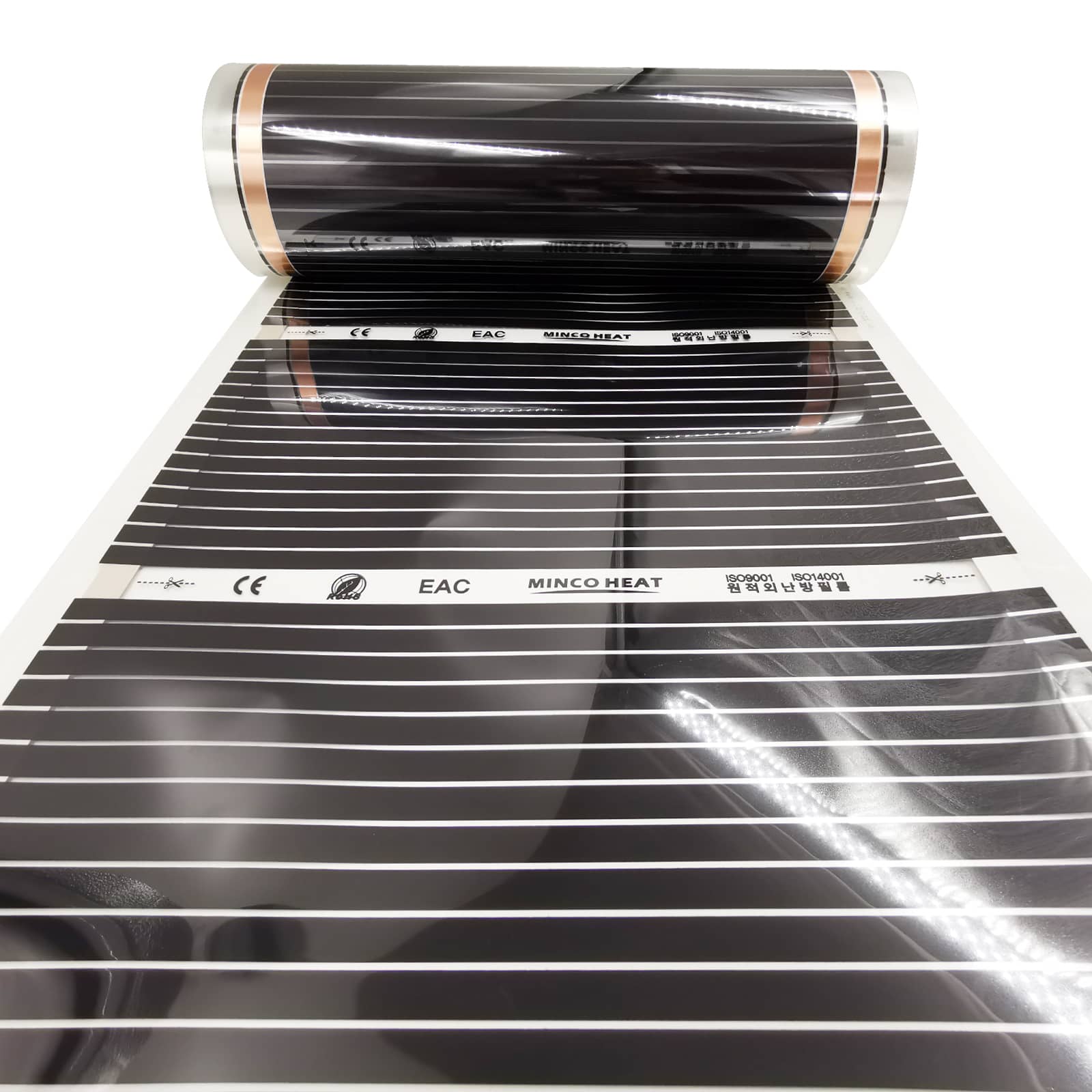
The underfloor heating mat is equipped with alloy or carbon fiber heating elements as heating components, which have stable heating performance, no power attenuation, and high infrared emissivity. Two layers of 0.1mm thick aluminum foil are used as the thermal conductive layer and shielding layer. The temperature distribution of the entire heating mat is uniform during operation, without overheating points, and the electromagnetic radiation is 0. The high-temperature fiberglass mesh serves as the skeleton of the entire geothermal mat, enhancing its tensile strength and impact resistance. And it has an automatic temperature limiting function, so the heating mat will not burn the insulation board below and the wooden floor above due to overheating.


Characteristics of heated seats:


1. Fast heating and rapid warming. It only takes 10-15 minutes to reach the room temperature you need.

2. Thin structure and light weight. Not occupying the floor height and space of your room.

3. Safety and energy efficiency.Using high-temperature insulation and fully sealed aluminum foil shielding, the entire system can operate for a long time in an environment of 120 degrees Celsius. The electromagnetic radiation value is 0. The entire system is waterproofed and can work in humid environments. The drainage line (ground wire) ensures the safety of the system. This heating mat is 20-25% more energy-efficient than heating cables of the same power

4. Self limiting temperature function, allowing you to achieve comfortable room temperature and energy-saving safe heating operation system.


5. Convenient construction, the heating core of the heating mat is arranged in a double conductor layout, and there is also a turning design for the heating mat, making construction particularly convenient, 5-6 times faster than laying heating cables of the same power.

North American Market:

The North American region is one of the important global markets for electric trace heating cables. Benefiting from its well-developed industrial system and strict environmental protection regulations, there is a strong demand for efficient and environmentally friendly heating solutions. Especially in the United States, it is widely applied in industries such as oil and gas, and chemicals.


European Market:

The European market places great emphasis on technological innovation and sustainable development, and has a high acceptance of intelligent, energy-saving and environmentally friendly electric trace heating systems. Countries like Germany and the United Kingdom have particularly prominent applications in the fields of industrial automation and building thermal insulation.


Asia-Pacific Market:

In the Asia-Pacific region, especially in China, with the rapid economic development and the acceleration of the industrialization process, the demand for electric trace heating cables continues to grow. At the same time, the extreme climatic conditions in the Asia-Pacific region have also promoted the widespread application of electric trace heating technology in areas such as pipeline anti-freezing and agricultural greenhouses.


Summary and Outlook:

In conclusion, as an efficient and environmentally friendly heating solution, electric trace heating cables are being widely used and developing rapidly around the world. Their remarkable advantages not only meet the temperature control requirements of various industries but also make important contributions to energy conservation, emission reduction, and the promotion of sustainable development.In the future, with the continuous advancement of technology and the expansion of the market, electric trace heating cables are expected to achieve application innovation in more fields. At the same time, they will face challenges and opportunities in aspects such as intelligence, customization, energy efficiency, and energy conservation. In this process, continuous technological innovation and market expansion will be the key for enterprises to maintain their competitiveness.

Sensor accuracy:

  • Sensor types: Different types of temperature sensors, such as thermistors, thermocouples, etc., have different accuracy and response characteristics. For example, in some high-precision temperature control systems, using a constant current source circuit to drive a thermistor as a temperature sensor can improve measurement accuracy. Thermistors have high sensitivity, but may be affected by environmental factors. Thermocouples are suitable for high-temperature measurement, but their accuracy is relatively low.

Control algorithm:

  • PID control algorithm: The PID control algorithm is a commonly used Intelligent temperature controller control algorithm. The adjustment of PID parameters directly affects the accuracy and stability of the temperature controller. For example, in an analog PID circuit, by calculating the error signal to drive the temperature control element, such as a thermoelectric cooler (TEC), precise closed-loop temperature control can be achieved. Reasonable adjustment of PID parameters enables the temperature controller to respond quickly to temperature changes while maintaining stable control accuracy.

Environmental factors:

  • External temperature fluctuations: Fluctuations in external temperature can affect the accuracy and stability of the temperature controller. Therefore, designing a high-precision temperature control box to control the temperature of the environment where the absorption cell is located can reduce the impact of environmental temperature on the measurement results.
  • Humidity: Humidity may also affect the accuracy and stability of the temperature controller. In some application scenarios, such as greenhouse management systems, it is necessary to comprehensively consider factors such as the temperature outside the greenhouse, wind speed, solar radiation intensity, and indoor humidity, and adopt a fuzzy PID control method to establish a high-precision temperature control method.

Equipment Components:

  • Performance of Temperature Control Elements: The performance of temperature control elements directly affects the accuracy and stability of the temperature controller. For instance, the response speed, cooling/heating capacity, and other performance parameters of a thermoelectric cooler (TEC) as a temperature control element will influence the temperature control effect of the temperature control system. Selecting high-performance temperature control elements can enhance the accuracy and stability of the temperature controller.
  • Circuit Design: The rationality of the circuit design also impacts the accuracy and stability of the temperature controller. For example, isolating the core analog circuit from the heat-generating components can improve the stability of the temperature control module. Utilizing a high-power constant current source drive circuit to drive the TEC can ensure the stable operation of the temperature control element.


Material cost

Types of raw materials: The cost of different heating materials varies greatly. For instance, graphene, due to its high production technology requirements, has a relatively high preparation cost, which makes the price of graphene heating films usually higher. In contrast, traditional heating materials such as carbon fibers and metal wires have relatively mature production processes and lower costs, making the heating films made from them more affordable.

Quality of raw materials: Even for the same type of raw material, the price varies with quality. Heating films made from high-purity and high-performance raw materials have better heating performance and stability, and their prices are also higher. 


Production process

Production technical difficulty: Some advanced production processes, such as high-precision etching technology and the application of nanomaterials, can make the heating film have better performance, but at the same time, they will increase production costs and lead to price increases. For example, the price of ultra-thin and ultra-flexible heating films produced by special processes will be higher than that of heating films produced by ordinary processes.

Production scale: Large-scale production can reduce unit costs. When the production scale reaches a certain level, the depreciation of production equipment, the purchase cost of raw materials, etc. will all decrease, making the price of heating films more competitive. 


Product Specifications

Size: The larger the size of the heating film, the more raw materials are required, and the production process may also be more complex, resulting in a higher price. For example, heating films used for large-area floor heating installations are more expensive than those used in small heating devices.

Power Requirements: The higher the power of the heating film, the higher the requirements for heating materials and circuit design, and the price will also increase accordingly. For instance, high-power heating films used in industrial heating are much more expensive than low-power ones used for home heating. 


Brand and After-sales Service

Brand Awareness: Well-known brands usually offer better guarantees in terms of product quality, performance stability, and after-sales service. Consumers need to pay a certain premium for the brand's reputation and word-of-mouth. For instance, the price of some internationally renowned brands of heating films is often much higher than that of similar products from ordinary brands.

After-sales Service: Comprehensive after-sales services, such as long-term quality guarantees and prompt repair responses, increase the overall cost of the product, which in turn affects the price. Heating film products that provide high-quality after-sales services may have slightly higher prices.

High Precision and High Reliability

  • Advanced Temperature Sensing Technology: Developing more advanced temperature sensors is the key to improving the precision and reliability of thermostats. Future temperature sensors will have higher sensitivity, faster response speed, and a wider measurement range. They will be able to accurately measure minute temperature changes and provide accurate temperature data for thermostats. For example, sensors made with new materials and manufacturing processes may improve the precision by an order of magnitude, while also having better anti-interference capabilities and stability.
  • Optimized Hardware Design and Manufacturing Process: By improving the hardware structure and manufacturing process of thermostats, the quality and reliability of products can be enhanced. For instance, using more precise electronic components, more stable circuit designs, and more robust housing encapsulation can ensure that the thermostat can still operate normally in harsh working environments. At the same time, the optimized manufacturing process can reduce the production cost of products and improve production efficiency, making thermostats with high precision and high reliability more competitive in the market.


Multi-functional Integration

  • Integration of Multiple Environmental Parameter Monitoring: In addition to the temperature control function, future thermostats may integrate the monitoring functions of multiple environmental parameters such as humidity, air quality, and illumination, and become a comprehensive environmental control device. This can provide users with more comprehensive environmental information and conduct intelligent regulation based on multiple parameters to create a more comfortable and healthy living and working environment. For example, when the indoor humidity is low, the thermostat can automatically start the humidifier; when the air quality is poor, it can cooperate with the air purifier for purification.
  • Integration with the Functions of Other Devices: The thermostat controller may be integrated with the functions of other devices to achieve more intelligent applications. For example, combined with the intelligent lighting system, it can automatically adjust the indoor lighting intensity and temperature according to different seasons and times to create a comfortable atmosphere; integrated with the security system, when an abnormal situation is detected, it can automatically adjust the temperature or turn off the relevant devices to reduce the security risk.


Miniaturization and Convenience

  • Miniaturized Design: With the continuous progress of electronic technology, thermostats will develop towards miniaturization and micro-miniaturization. This can not only save installation space but also facilitate integration into various small devices and products. For example, in some small household appliances, smart wearable devices, or portable medical devices, miniature thermostats can achieve precise control of the internal temperature of the devices, ensuring their normal operation and safety.
  • Convenient Installation and Operation: Future thermostats will pay more attention to the convenience of installation and operation. Patented technologies may focus on developing simple and easy-to-use installation structures and user-friendly operation interfaces. For example, using technologies such as quick-installation buckles and wireless connections can make the installation of thermostats more convenient and faster; designing intuitive touch screen interfaces or voice control functions allows users to easily set the temperature and adjust functions without complex operation procedures.

Product Design and Quality

  • Qualified products: Heating mats produced by legitimate manufacturers usually use materials that meet safety standards, have good insulation performance, and can effectively prevent leakage. For example, using a double-layer insulated electric heating wire with an outer layer wrapped in high-temperature resistant and wear-resistant insulation material can prevent electric shock accidents caused by internal wires coming into contact with the outside world. At the same time, it will also be equipped with an overheat protection device. When the temperature exceeds a certain threshold, the power will be automatically cut off to prevent fires caused by excessive temperature.
  • Poor quality products: Some low-quality heating mats may use low-quality electric heating wires to reduce costs, which have poor insulation performance and are prone to problems such as damage and short circuits. Moreover, effective overheating protection devices may not be installed, or the accuracy of temperature control components may be insufficient, resulting in inaccurate temperature control and increasing safety risks.

Usage environment and conditions

  • Correct use: Use the heating mat on a dry and flat surface, and operate it according to the instructions. Do not exceed the power limit and do not use it in the same socket as other high-power appliances. It can usually ensure its safe operation. For example, if a heating mat is laid on a wooden floor or carpet, as long as there are no flammable materials around and good ventilation, there is generally no safety hazard.
  • Incorrect use: If used in a humid environment, or if the heating mat is folded or curled, it may cause damage to the electric heating wire, leading to short circuits or electrical leakage. In addition, covering too many heavy items on the heating mat can affect heat dissipation, increase temperature, and increase the risk of fire. For example, using heating mats without moisture-proof treatment in damp places such as bathrooms, or stacking a large amount of clothing, blankets, etc. on heating mats, can easily cause safety accidents.

maintenance

  • Regular inspection: Regularly check the appearance of the heating seat for damage and whether there are signs of aging in the wires. If problems are found, replace them in a timely manner, which can effectively reduce safety risks. For example, check the heating mat once a month for wear, cracks, etc. If any exposed electric wires are found, they should be immediately stopped from use.
  • Neglecting maintenance: After long-term use, the heating wire of the heating seat may age and its insulation performance may decrease due to frequent heating and cooling. If these issues are not detected and addressed in a timely manner, continued use may lead to leakage or short circuit, posing a threat to personal safety.