Introduction

In modern welding systems, stable arc performance is essential for precision, safety, and efficiency. While many users focus on power sources and control systems, one critical component is often overlooked — the welding machine capacitor.

A properly selected welding capacitor can:

  • Stabilize arc ignition

  • Reduce current fluctuation

  • Improve welding consistency

  • Extend machine lifespan

In this article, we explain how welding capacitors work and why they are vital in today’s industrial welding equipment.


What is a Welding Machine Capacitor?

A welding machine capacitor is a metallized polypropylene film capacitor designed to operate under:

  • High current pulses

  • Frequent voltage fluctuations

  • High-temperature environments

It is mainly used for:

✔ Arc stabilization
✔ Voltage buffering
✔ EMI suppression
✔ Power factor improvement

Typical applications include:

  • Inverter welding machines

  • ARC welders

  • TIG / MIG systems

  • Industrial welding power supplies

    Why Capacitors Matter in Welding Machine

Without a reliable capacitor, welding machines may suffer from:

  • Unstable arc

  • Spatter issues

  • Equipment overheating

  • Shortened service life

High-quality film capacitors help:

✔ Maintain consistent arc ignition
✔ Smooth output waveform
✔ Reduce stress on IGBT modules
✔ Improve overall efficiency

This is especially important in inverter welding machines operating at high switching frequencies.


Key Performance Features

Modern welding capacitors are engineered for harsh environments.

Important characteristics include:

Feature Benefit
Low ESR Reduced heat generation
High ripple current resistance Stable operation
Self-healing film Longer lifespan
High voltage tolerance Safety in surge conditions
Compact structure Easy integration

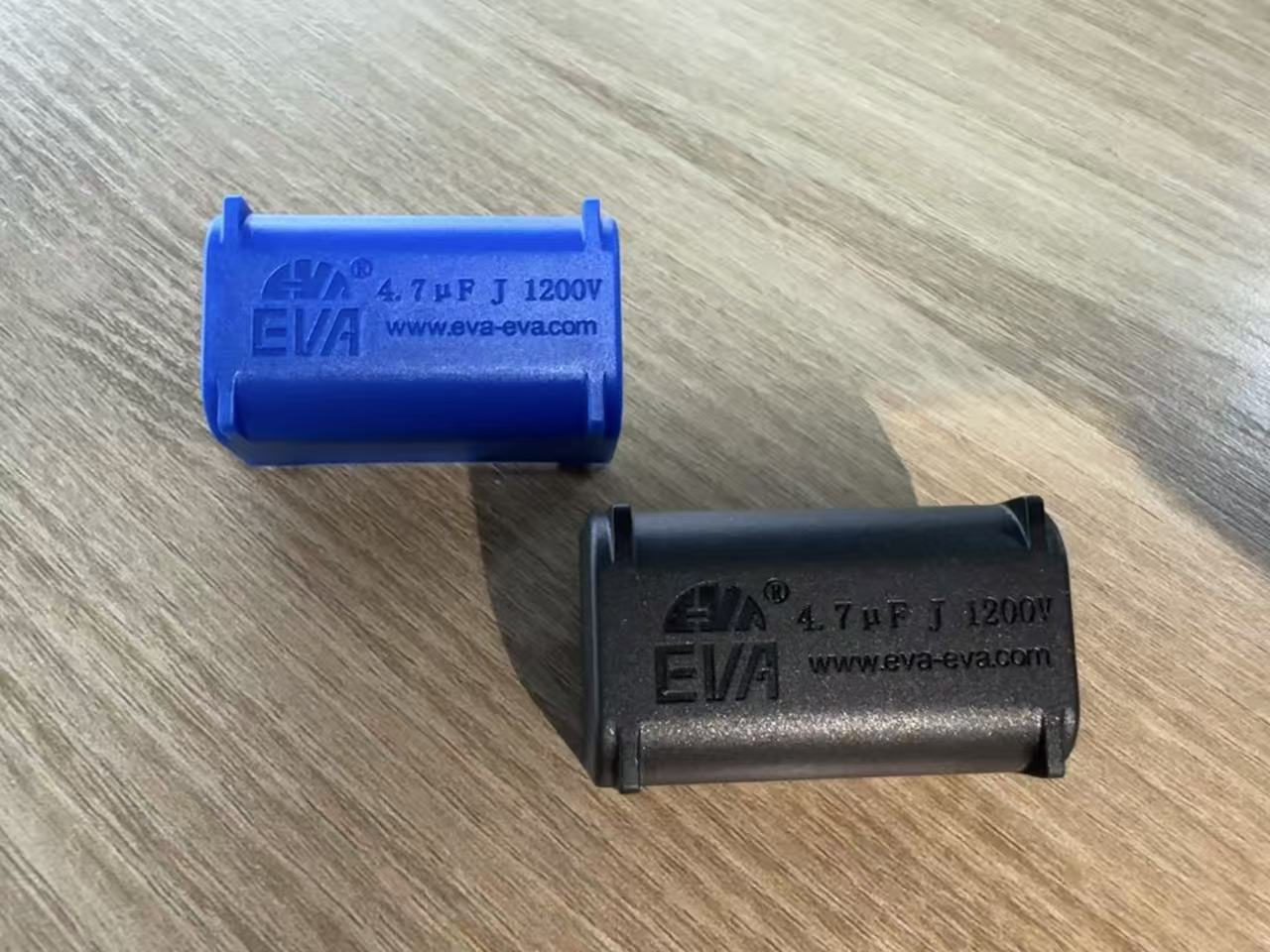
For example, 4.7µF welding capacitors are widely used in inverter welding circuits for energy buffering and voltage stabilization.


Application Advantages

Using a reliable welding capacitor brings:

✔ Better arc control
✔ Lower failure rate
✔ Reduced maintenance
✔ Improved welding precision

In heavy-duty industrial environments, this directly translates into:

→ Higher productivity
→ Reduced downtime
→ Lower equipment replacement cost


Choosing the Right Welding Capacitor

When selecting a welding machine capacitor, consider:

  • Capacitance value

  • Rated voltage

  • Operating temperature

  • Ripple current capability

  • Application frequency

For inverter welding machines, metallized polypropylene capacitors are the preferred solution due to their durability and self-healing properties.


Conclusion

As welding technology evolves, component reliability becomes increasingly important. A high-quality welding machine capacitor is not just an accessory — it is a core element that ensures stable operation and long-term equipment performance.

Whether used in inverter welders or industrial ARC systems, selecting the right capacitor can significantly improve welding stability and extend machine life.


Looking for reliable welding machine capacitors?

Our engineering team can help you select the right solution for your application.

Contact us today for technical support or samples.

In modern HVAC and motor-driven systems, stable motor operation is essential for efficiency, safety, and long-term reliability. Among various AC motor capacitors, the CBB65 motor run capacitor has become one of the most widely used solutions for air conditioners, water pumps, and ventilation systems.

In this blog, we will take a closer look at what CBB65 capacitors are, why they are so popular, and how to choose the right one for your application.

What Is a CBB65 Motor Run Capacitor?

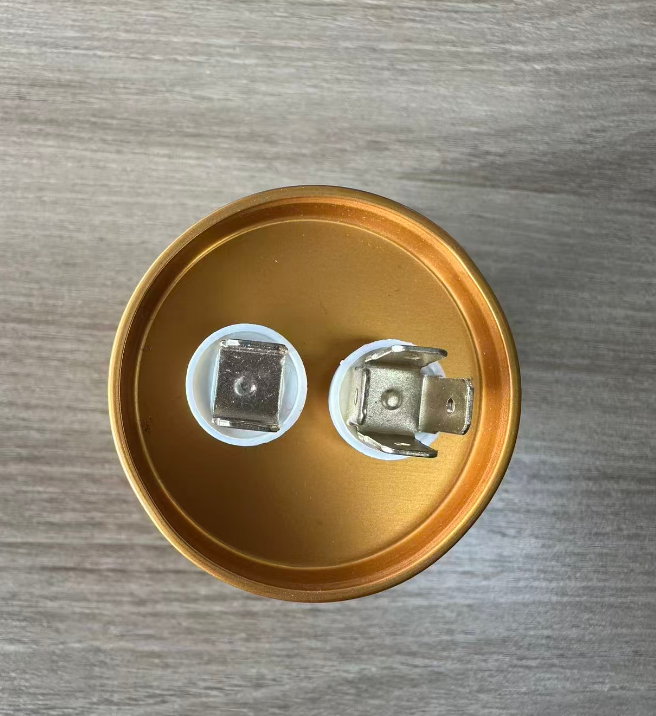
A CBB65 capacitor is an AC motor run capacitor made with metallized polypropylene film (MPP). Its main function is to provide phase shifting for single-phase motors, allowing them to run smoothly and efficiently during continuous operation.

Unlike electrolytic capacitors, CBB65 capacitors are designed for long-term use. They offer lower electrical loss, better capacitance stability, and a much longer service life, making them ideal for applications where motors operate for extended periods.

Why CBB65 Capacitors Are Widely Used

The popularity of CBB65 capacitors is not accidental. Their design and material selection make them especially suitable for demanding motor environments.

One key advantage is their excellent electrical stability. Thanks to the metallized polypropylene film, CBB65 capacitors maintain stable capacitance even under voltage fluctuations or temperature changes.

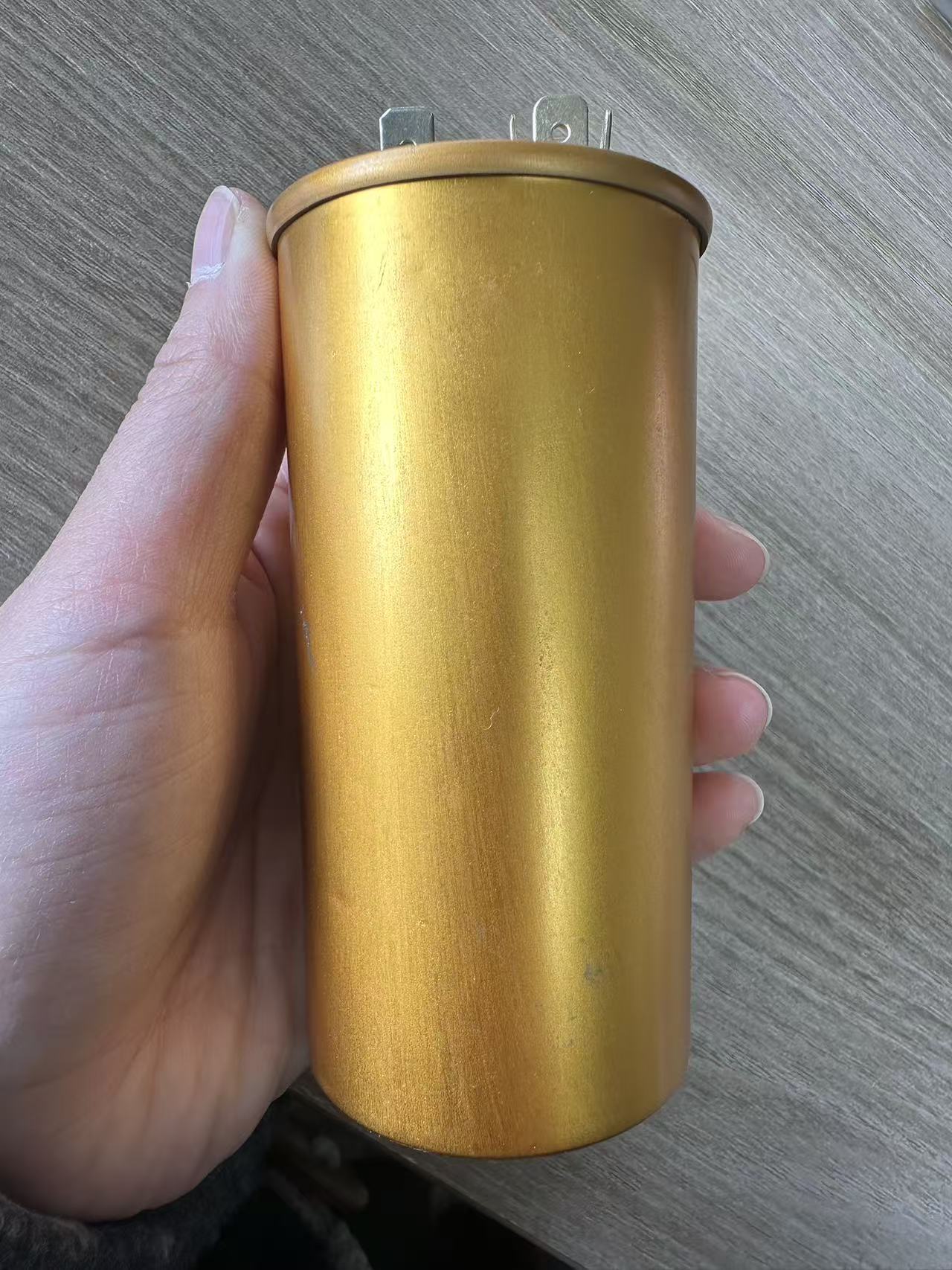
Another important feature is high safety performance. Most CBB65 capacitors are housed in aluminum cases with anti-explosion protection. In addition, the self-healing property of MPP film allows the capacitor to recover from minor dielectric breakdowns, reducing the risk of sudden failure.

Typical Applications of CBB65 Capacitors

CBB65 motor run capacitors are commonly found in:

  • Air conditioner compressors

  • HVAC systems

  • Water pumps and circulation pumps

  • Fans, blowers, and ventilation equipment

  • Refrigeration and cooling systems

In these applications, CBB65 capacitors help motors achieve stable torque, smoother operation, and reduced noise during continuous running.

Key Technical Characteristics to Know

When engineers or buyers evaluate a CBB65 capacitor, several technical parameters are usually considered:

  • Rated Voltage: Typically ranges from 250VAC to 660VAC

  • Capacitance Range: From 0.5µF to over 120µF

  • Frequency: 50/60Hz

  • Operating Temperature: -40°C to +85°C

  • Capacitance Tolerance: ±5% or ±10%

These specifications allow CBB65 capacitors to cover a wide range of motor power levels and application environments.

How to Choose the Right CBB65 Capacitor

Selecting the correct CBB65 capacitor is critical for motor performance and lifespan.

First, always choose a voltage rating equal to or higher than the system voltage. Using a higher voltage rating generally improves reliability.

Second, the capacitance value must match the motor’s design requirements. An incorrect capacitance can lead to reduced efficiency, overheating, or even motor damage.

For air conditioning systems, dual-run CBB65 capacitors (for example, 40+5µF) are often used to support both the compressor and fan motor in a single unit.

Finally, consider the operating environment. High ambient temperature, humidity, or long running hours require capacitors with higher endurance and stable materials.

Final Thoughts

The CBB65 motor run capacitor plays a vital role in ensuring smooth and efficient operation of single-phase AC motors. With its metallized polypropylene film, aluminum case design, and stable electrical performance, it remains a trusted solution for HVAC and motor applications worldwide.

For engineers, distributors, and equipment manufacturers, understanding the characteristics and proper selection of CBB65 capacitors can make a significant difference in product reliability and customer satisfaction.

If you would like to learn more about CBB65 capacitors or explore customized solutions, feel free to contact EVA Comp for technical support and product information.

Introduction

Film capacitors play a critical role in modern motor-driven systems, especially in HVAC equipment, compressors, fans, and pumps. Among them, CBB series film capacitors are widely used as motor run capacitors due to their stable electrical performance and long service life.

In this article, we explain what CBB series film capacitors are, how they work, and why they are commonly used in motor run and HVAC applications.

What Is a CBB Series Film Capacitor?

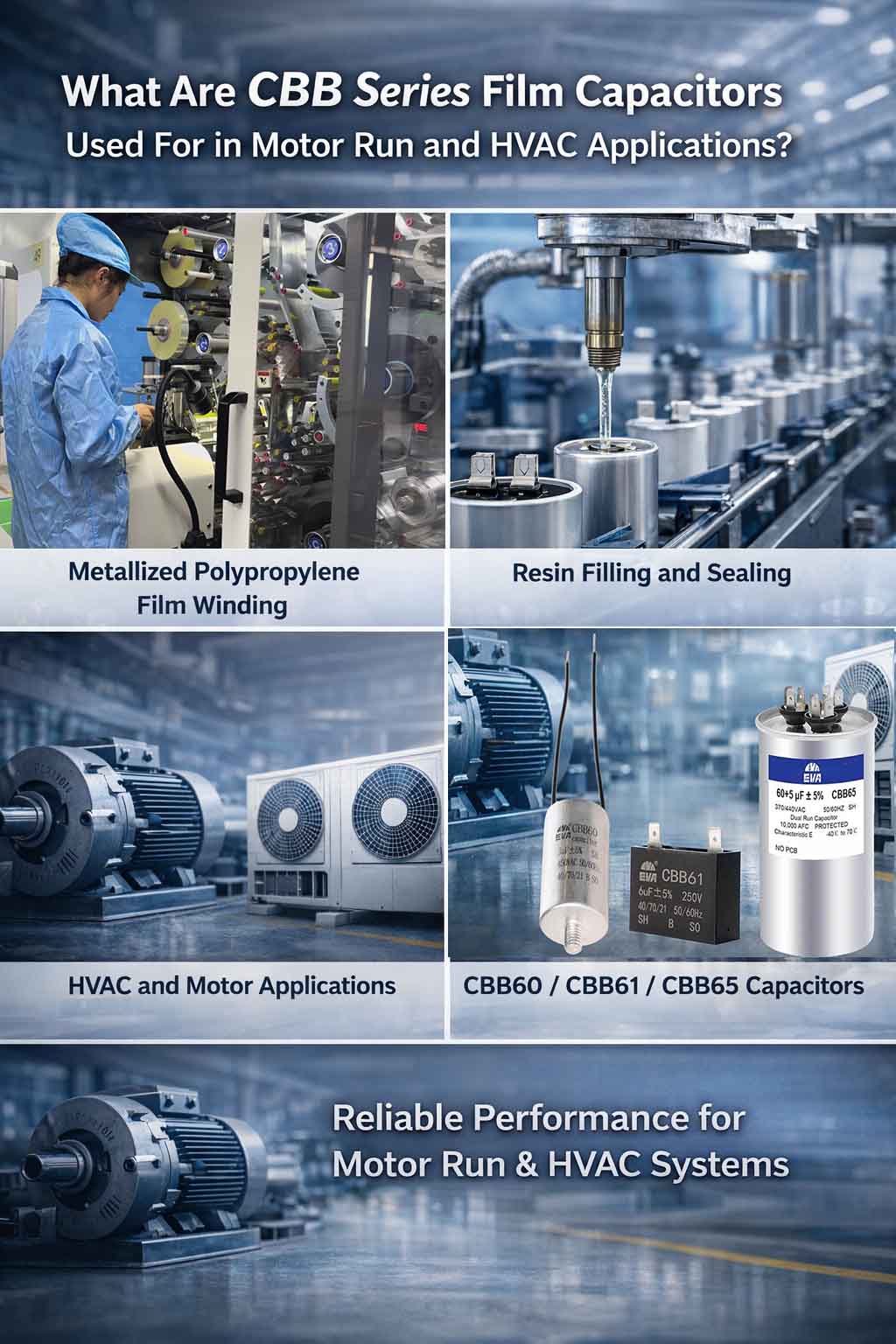
A CBB series capacitor is a type of metallized polypropylene (MPP) film capacitor designed for AC applications. It is commonly used as a motor run capacitor, providing continuous phase shift and improving motor efficiency during operation.

Typical CBB series products include:

  • CBB60 – Used in air conditioners and compressors

  • CBB61 – Common in fans and small motors

  • CBB65 – Designed for higher capacitance motor run applications

These capacitors are known for low loss, stable capacitance, and high insulation resistance.

Why Metallized Polypropylene Film Is Used

Compared with other dielectric materials, metallized polypropylene film offers several advantages:

  • Low dielectric loss

  • Excellent temperature stability

  • High voltage withstand capability

  • Long operational lifetime

Because of these characteristics, MPP film capacitors are suitable for continuous-duty motor run applications, where reliability is critical.

Applications of CBB Film Capacitors

CBB series film capacitors are widely used in:

  • HVAC systems

  • Air conditioner outdoor and indoor units

  • Electric fans

  • Water pumps

  • Compressors

  • Industrial motor equipment

In these applications, the capacitor helps improve motor starting performance, running efficiency, and overall system stability.

Manufacturing Process and Quality Control

At EVA Comp, CBB film capacitors are produced through a controlled manufacturing process that includes:

  • Film winding

  • Welding and lead assembly

  • Resin filling or sealing

  • Electrical testing and final inspection

Each production step is designed to ensure consistent performance and compliance with international standards.

Customization and OEM Support

Different motor applications require different capacitance values, voltage ratings, and case sizes. EVA Comp supports OEM and customized capacitor solutions, helping customers select suitable specifications based on their application requirements.


Conclusion

CBB series film capacitors are an essential component in motor run and HVAC applications, offering stable performance and long-term reliability. Choosing the right capacitor and a reliable manufacturer is key to ensuring product quality and system safety.

If you are looking for a film capacitor manufacturer or need support with motor run capacitor selection, EVA Comp is ready to assist.


What Does CBB60 Mean on a Capacitor?


If you work with motors, HVAC systems, or household appliances, you may have come across capacitors labeled CBB60.

But what exactly does CBB60 mean, and how is this type of capacitor used in practical applications?

 This article explains the meaning of CBB60, its structure, and where it is commonly applied.


Understanding the CBB60 Code

The term CBB60 is a model designation commonly used for AC motor run capacitors.

Each part of the code carries specific technical meaning:

 CBB – Indicates a metallized polypropylene film capacitor

 “CB” refers to film capacitors

 “B” specifies polypropylene as the dielectric material

 60 – Refers to the application category, typically associated with motor run capacitors used in AC circuits


Together, CBB60 identifies a capacitor designed for continuous operation in single-phase AC motor systems.


What Is a CBB60 Capacitor Used For?

 CBB60 capacitors are mainly used to support the running performance of AC motors.

They help maintain proper phase shift, improve torque stability, and ensure smooth motor operation.

Common applications include:

Water pumps

Air conditioners

Washing machines

Refrigerators

Ventilation and fan systems

These applications often require long working hours and stable electrical performance, which is why CBB60 capacitors are widely adopted.


Key Characteristics of CBB60 Capacitors

Compared with other motor capacitors, CBB60 capacitors offer several practical advantages:

Stable capacitance during continuous operation

Low dielectric loss for improved efficiency

Good insulation resistance

Reliable performance under varying load conditions

Most CBB60 capacitors use a plastic case with resin sealing, making them suitable for compact appliance and motor assemblies.


CBB60 vs Other Motor Capacitors

It is important not to confuse CBB60 with similar capacitor types:

CBB61 – Typically used for fan motors and lighter-duty applications

CBB65 – Oil-filled capacitors designed for higher-load motors and compressors

Each type serves a different purpose, and selecting the correct capacitor depends on motor load, operating environment, and duty cycle.


Why Understanding CBB60 Matters

Knowing what CBB60 means helps engineers, buyers, and maintenance personnel:

Select the correct capacitor for motor systems

Avoid mismatched replacements

Improve equipment reliability and service life

For OEM manufacturers and distributors, understanding capacitor classifications also supports better sourcing and technical communication.


Conclusion

A CBB60 capacitor is a metallized polypropylene film capacitor specifically designed for AC motor run applications.

It plays a critical role in ensuring stable motor operation across a wide range of household and industrial equipment.

Understanding this designation allows users to make informed decisions when selecting or replacing motor capacitors.

Introduction

In modern electronic equipment, electromagnetic interference (EMI) is a common issue that can affect performance and safety. To reduce EMI and improve system reliability, X2 capacitors are widely used in power input and noise suppression circuits.

In this article, we explain what an X2 capacitor is, how it works, and why X2 capacitors are essential in EMI suppression applications.

What Is an X2 Capacitor?

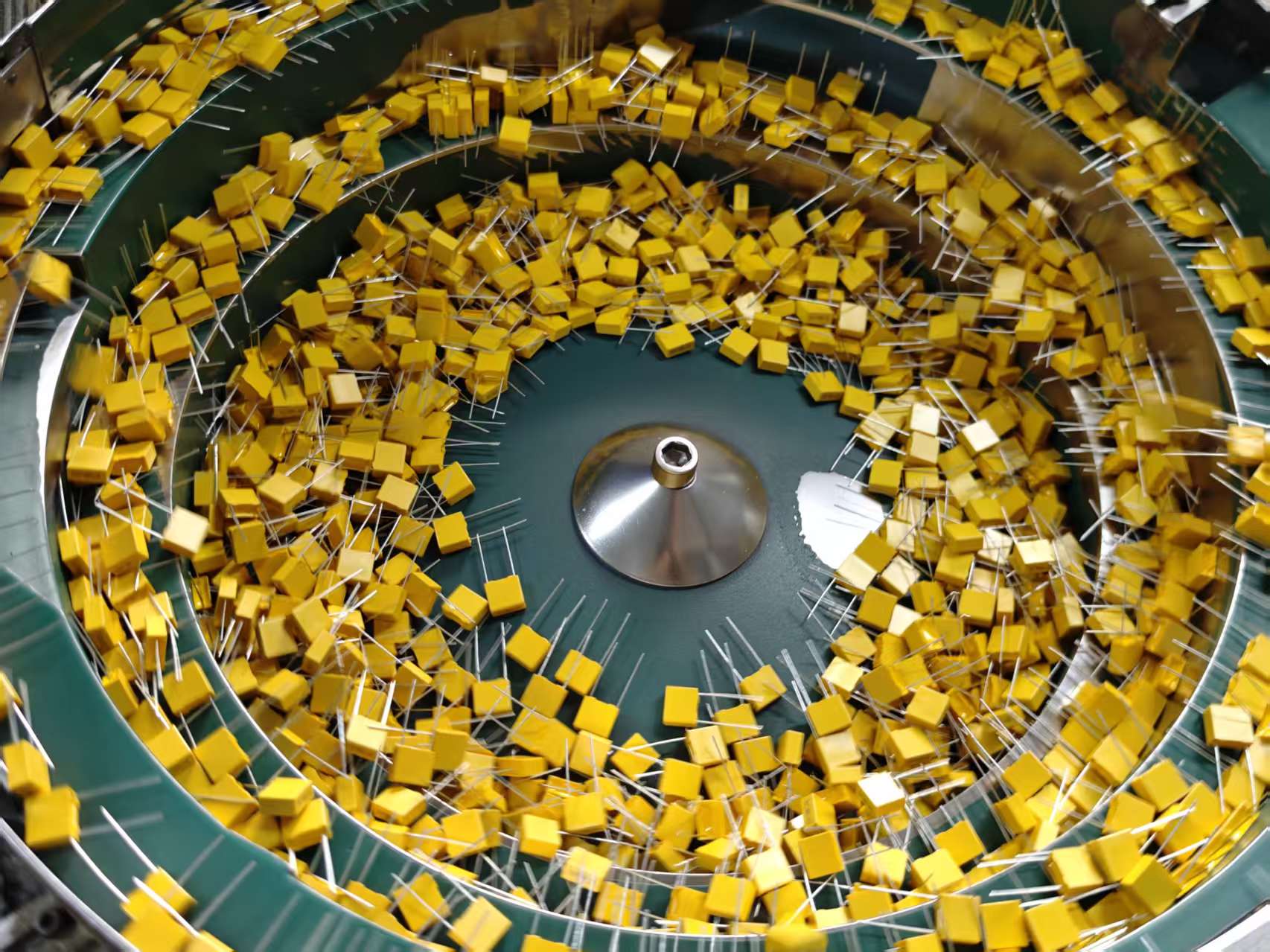
An X2 capacitor is a type of safety film capacitor designed to be connected across the AC power line (Line to Line). It is mainly used to suppress electrical noise and voltage spikes generated by switching devices and external interference.

X2 capacitors are typically manufactured using metallized polypropylene (MPP) film, offering stable electrical performance and reliable self-healing properties.


X2 vs X1 Capacitors: What Is the Difference?

X2 capacitors are designed for applications where peak impulse voltages do not exceed 2.5kV. Compared to X1 capacitors, X2 capacitors are more commonly used in:

  • Household appliances

  • Consumer electronics

  • Lighting power supplies

  • Small industrial equipment

X1 capacitors, by contrast, are used in environments with higher impulse voltage requirements.


Typical Applications of X2 Capacitors

X2 capacitors are widely used in:

  • EMI / RFI suppression circuits

  • AC power input filtering

  • Switching power supplies

  • Home appliances (washing machines, air conditioners)

  • LED drivers and lighting equipment

In these applications, X2 capacitors help reduce electrical noise, improve system stability, and protect sensitive components.

Why Metallized Polypropylene Film Is Used for X2 Capacitors

MPP film is the preferred dielectric material for X2 capacitors due to:

  • Low dielectric loss

  • High insulation resistance

  • Excellent self-healing capability

  • Stable performance over temperature

These features make MPP-based X2 capacitors suitable for long-term operation under AC voltage stress.

Safety Standards and Certifications for X2 Capacitors

X2 capacitors must comply with strict international safety standards, such as:

  • IEC 60384-14

  • ENEC

  • UL

  • CQC

Compliance with these standards ensures the capacitor can operate safely in power line applications and fail in a safe manner.

Manufacturing Process and Quality Control

At EVA Comp, X2 capacitors are produced through controlled processes, including:

  • Precision film winding

  • Vacuum resin impregnation or encapsulation

  • High-voltage impulse testing

  • Endurance and safety testing

Each capacitor is tested to ensure reliability, consistency, and compliance with safety requirements.

Conclusion

X2 capacitors play a critical role in EMI suppression and power line safety across a wide range of electronic applications. Selecting a reliable X2 capacitor manufacturer is essential to ensure product safety and long-term performance.

If you are looking for X2 safety capacitors or need technical support for EMI suppression solutions, EVA Comp is ready to support your requirements.


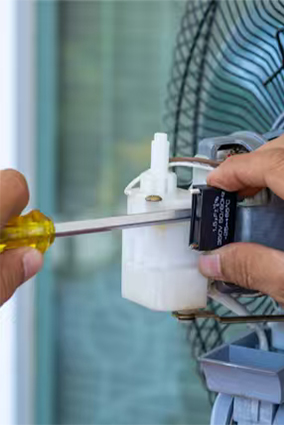
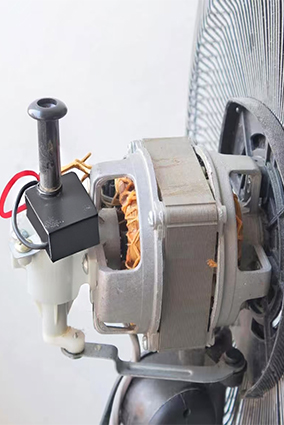
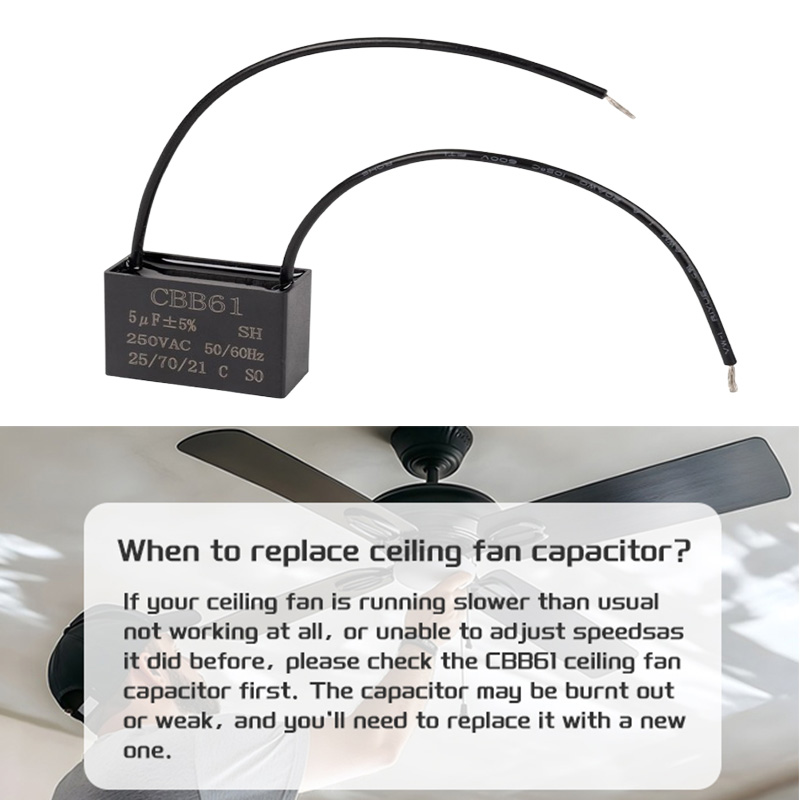
Ceiling fans are widely used in homes, offices, and commercial spaces because of their energy efficiency and reliable performance. However, when a ceiling fan starts running slower than usual, struggles to change speeds, or stops working entirely, one common cause is a faulty ceiling fan capacitor.


In this article, we’ll explain when to replace a ceiling fan capacitor, how to recognize the warning signs, and why CBB61 ceiling fan capacitors are the most common solution. This guide is written for both end users and buyers looking for clear technical insight.


What Does a Ceiling Fan Capacitor Do?

A ceiling fan capacitor is a key electrical component that helps:

  • Start the fan motor

  • Maintain stable rotation

  • Control fan speed

  • Reduce vibration and noise

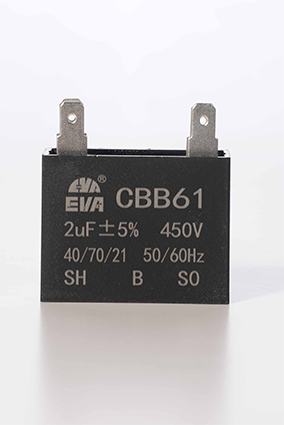
Most single-phase AC ceiling fans use a CBB61 fan capacitor, which is designed specifically for motor running and speed control at 50/60Hz.


Without a properly functioning capacitor, the motor cannot generate enough phase shift to run efficiently.


Common Signs You Need to Replace a Ceiling Fan Capacitor

If you notice any of the following issues, the capacitor should be checked first:

1. Ceiling Fan Runs Slower Than Normal

Even at the highest speed setting, the fan rotates slowly. This usually indicates the capacitor’s capacitance value has dropped over time.

2. Fan Hums but Blades Don’t Spin

A humming sound without rotation often means the capacitor can no longer provide enough starting torque.

3. Fan Speed Cannot Be Adjusted

If speed changes no longer work properly or only one speed is functional, the internal capacitor may be partially damaged.

4. Fan Needs a Push to Start

If you have to manually push the blades to get the fan moving, the capacitor is likely weak or failing.

5. Fan Stops Working Completely


In some cases, a burned or open capacitor will prevent the fan from operating at all.


Why Ceiling Fan Capacitors Fail?

Ceiling fan capacitors are designed for long service life, but several factors can shorten their lifespan:

  • Long-term high temperature operation

  • Voltage fluctuations

  • Poor ventilation inside the fan housing

  • Low-quality capacitor materials

  • Aging and dielectric degradation


Typically, a ceiling fan capacitor may last 5–10 years, depending on usage and environment.


Why CBB61 Capacitors Are Used in Ceiling Fans?

The CBB61 capacitor is the most widely used capacitor type for ceiling fans because it offers:

  • Stable performance for AC motor running

  • Compact rectangular or oval housing

  • Polypropylene film dielectric for reliability

  • Low loss and long service life

  • Multiple capacitance combinations in one unit


Common capacitance values include 1.5µF, 2µF, 2.5µF, 3µF, 4µF, 5µF, with rated voltages typically 250VAC / 400VAC / 450VAC.


How to Choose the Right Replacement Capacitor?

When replacing a ceiling fan capacitor, always match:

  1. Capacitance (µF value) – must match the original

  2. Rated Voltage – equal or higher than the original

  3. Frequency – 50/60Hz compatible

  4. Size and lead length – must fit inside the fan housing


Using an incorrect capacitor may cause motor overheating, noise, or reduced lifespan.


Can Replacing the Capacitor Restore Fan Performance?

Yes. In most cases, replacing a faulty CBB61 capacitor will:

  • Restore normal fan speed

  • Improve starting performance

  • Reduce abnormal noise

  • Extend the overall life of the ceiling fan


Replacing a capacitor is often more cost-effective than replacing the entire fan.


Conclusion

If your ceiling fan is running slowly, making noise, or failing to start, a faulty ceiling fan capacitor is often the root cause. Identifying the problem early and replacing it with the correct CBB61 capacitor can quickly restore performance and extend the life of your fan.


For manufacturers, distributors, and importers, choosing high-quality CBB61 capacitors ensures stable fan operation and long-term reliability.


The core of daily maintenance and upkeep of heating seats is to protect the heating element, maintain electrical safety, and extend material life. Targeted measures should be taken according to their different usage scenarios and material characteristics, while avoiding operations that may damage the product. The following are detailed maintenance methods by dimension:


1、 Universal basic maintenance (applicable to all types of heating seats)

This type of operation is a prerequisite for ensuring the safe operation of the floor heating seat and needs to be performed before and after each use or regularly.

Check before use

  • Electrical safety inspection: Before each power on, check whether the power cord is damaged, whether the plug is loose, and whether there is blackening or oxidation at the wiring. If the above problems exist, stop using immediately and contact after-sales. It is strictly prohibited to disassemble and repair on your own.
  • Appearance inspection: Observe whether there are scratches, bulges, and accumulated stains on the surface of the heating seat. If the surface is damaged, waterproof sealing treatment should be carried out first (special insulation waterproof tape can be applied for household use, and the outer sheath needs to be replaced for industrial use) to prevent moisture and short circuit of the internal heating element.

Protection during use

  • Prohibit folding and heavy pressure: Avoid folding, rolling, or placing sharp objects on the heating mat to prevent the internal heating wire from breaking or the heating film from being damaged; Household mattresses should not be powered on when folded, while industrial equipment should ensure a tight fit with the surface of the equipment without any hanging or squeezing.
  • Control usage duration and temperature: Control the duration of single use according to the instructions (recommended for household use not exceeding 8 hours, industrial use should not exceed 24 hours of continuous operation and should be stopped for heat dissipation), to avoid long-term high-temperature operation accelerating material aging; During sleep, it is necessary to set the temperature to low or activate the timer function to reduce the load on the heating element.

Clean after use

  • Power off cooling: Before cleaning, the power plug must be unplugged and the hot seat must be completely cooled before operation to prevent high temperature burns or electric shock.
  • Gentle cleaning: Use a wrung out damp cloth to wipe the surface dust. For stubborn stains, dip a small amount of neutral cleaner and gently wipe. Do not use strong acid or alkali cleaners to avoid corroding the surface material; After cleaning, it needs to be dried before storage or use, and should not be exposed to direct sunlight.


2、 Special maintenance for different scenarios

Home use scenario (mattress/sofa/bathroom heating mat)

Mattress style:

  • Regularly remove the surface cover (if removable) for cleaning, and do not directly wash the heating seat body with water (only wipe it off); When storing, lay flat or roll into a cylinder with a diameter of ≥ 30cm, avoid folding, store in a dry and ventilated place, away from damp wardrobes or floors.
  • Avoid using other heating devices such as electric blankets and hot water bags on the heating seat to prevent damage to the heating element caused by excessive local temperature.

Waterproof design for bathroom:

  • After each use, dry the surface water and regularly check whether the IP waterproof sealing strip is aging and cracking. If it cracks, replace the sealing strip to ensure waterproof performance; The splash box of the power socket should be kept closed to prevent water vapor from entering the socket and causing a short circuit.


Industrial scenario (equipment insulation/pipeline heat tracing heating mat)

Equipment outer wall design:

  • Regularly check whether the outer insulation layer has fallen off, and if it has fallen off, it should be promptly replenished to reduce heat loss while protecting the heating mat from industrial dust and oil pollution; Every six months, use a multimeter to check the resistance value of the heating seat. If the deviation from the factory value exceeds ± 10%, the machine should be stopped for maintenance to prevent uneven heating.
  • The heating mat that comes into contact with chemical media should be checked quarterly for corrosion spots on the surface fluoroplastic sheath. If it is damaged, it should be replaced immediately to prevent the medium from penetrating into the interior and damaging the heating element.

Pipeline heating system:

  • After the winter heating is stopped, it is necessary to clean the frost and impurities on the surface of the pipeline, check whether the fixing buckle of the underground heating seat is loose, reinforce it again, and do a good job of moisture-proof protection; Outdoor pipeline models need to be additionally wrapped with sunscreen and anti freezing protective sleeves to prevent low-temperature cracking in winter and UV aging in summer.


Agricultural scenario (greenhouse soil/seedling box heating mat)

Soil burial fee:

  • After each season of planting, dig out the heating mat (avoid violent pulling), clean the soil and roots attached to the surface, rinse with clean water and air dry, check whether the PE waterproof film is damaged, and repair the damaged area with special waterproof glue; Keep away from corrosive materials such as pesticides and fertilizers during storage to prevent material aging.

Nursery box model:

  • Regularly wipe the surface with alcohol swabs to disinfect and remove residual roots of seedlings; When storing, place it in a dry cardboard box to prevent rodents and insects from biting the power cord and surface material.


3、 Prevention and emergency response of common faults

Core measures for preventing malfunctions

  • Avoid frequent plugging and unplugging of plugs to reduce poor contact and oxidation of plugs; Household models should not use inferior power strips, while industrial models should be equipped with leakage protectors.
  • When not in use for a long time, the power should be unplugged, cleaned and dried before storage. Every 3 months, power on and run for 10 minutes (at low temperature) to activate the heating element and prevent internal components from becoming damp and ineffective.

Emergency response

  • If there is any odor, smoke, or local overheating during use, immediately cut off the power, stop using, and contact professional after-sales service. It is strictly prohibited to disassemble on your own; If there is a slight leakage, it is necessary to check whether the socket grounding is normal. If there is no grounding, a grounding device should be installed.


4、 Maintenance taboos

  • It is strictly prohibited to wash or soak the heating mat body with water, even for IPX7 waterproof models, it should not be soaked in water for a long time.
  • It is strictly prohibited to pry or puncture the surface of the heating seat with sharp tools to avoid damaging the internal heating element and circuit.
  • It is strictly prohibited to self wire or replace components when the heating seat malfunctions. Non professional operations may cause safety accidents such as electric shock and fire.

underfloor heating mat


The safety of a heating seat depends on product quality, usage standards, and scene adaptability. Qualified products have extremely low risks when used correctly, while inferior products or improper operation may cause hidden dangers such as electric shock, burns, and fires. This article provides a detailed introduction to the safety measures of heated seats.


1、 Core safety guarantee mechanism for qualified heating seats


Legitimate products will undergo multiple designs and certifications to reduce safety risks from the source, mainly including the following points:

Electrical Safety Certification:

Household insulated heating seat must pass 3C mandatory certification, which is the basic threshold for electrical safety, covering multiple tests such as leakage protection, insulation performance, flame retardancy, etc; Industrial grade heating mats also need to comply with industry standards to ensure electrical safety in complex environments.

Multiple temperature protection functions:

  • Automatic temperature limiting: Equipped with a built-in temperature controller or PTC self limiting element, the surface temperature is controlled at 35-45 ℃ (a comfortable and safe range for human body), avoiding low-temperature burns or material aging caused by high temperature.
  • Overheating power-off protection: When the thermostat fails, the built-in temperature fuse will automatically cut off the power at 50-60 ℃, fundamentally eliminating the risk of fire.
  • Timer shutdown function: Household models are generally equipped with 1-8 hour timer to prevent users from forgetting to shut down and causing prolonged high-temperature operation.

Protection level adaptation design:

The product will label the IP protection level according to the usage scenario, such as:

  • Bedroom/living room style: IPX4 splash proof, suitable for daily watering and mopping;
  • Toilet/outdoor type: IPX6-IPX7 is waterproof, which can resist rainstorm scouring or short-term immersion, and prevent water vapor from invading the internal circuit and causing short circuit.

Material and structural safety:

  • The surface is made of flame-retardant and wear-resistant materials, which are not easy to burn and tear resistant;
  • The heating element is wrapped in a double-layer insulation layer, and the power cord adopts a thick copper core and anti bending design. The plug is a three pin grounding plug, which can guide the current to the ground in case of leakage.


2、 Core principles for improving the safety of heating seats


Reject "three no products":

When purchasing, identify 3C certified heating seat, clear IP rating, and temperature control function, and do not buy products with low prices, no brand, or no manual.

Strictly match usage scenarios:

  • The bathroom must be IPX7 waterproof and located at least 1.5 meters away from the shower area;
  • For outdoor use, choose the IPX6 model that is cold resistant and wear-resistant to avoid sharp objects scratching the surface.

Standardized usage and operation:

  • Do not fold or press the heating mat, do not cover flammable materials such as blankets or blankets;
  • Single use for no more than 8 hours, set to low temperature or turn on timer during sleep;
  • A thin sheet should be placed between the skin and the heating seat to avoid direct contact.

Regular inspection and maintenance:

Check the power cord for damage and the plug for oxidation every month, and stop using immediately if any abnormalities are found; When not in use for a long time, clean and dry before storing to avoid moisture.


Qualified heating seats are high safety heating products that can minimize risks as long as purchased through legitimate channels and used according to instructions; The core of safety hazards is not the product itself, but "inferior products" and "illegal operations". Minco heating products provide you with the safest and warmest protection.insulated heating seat


The rectification of installation defects in heating cables must adhere to the principle of "power outage inspection first, defect classification by type, and post-rectification review and verification." For defects in core aspects such as laying, fixing, connection, protection, and supporting construction, precise corrective measures should be formulated to ensure the complete elimination of safety hazards and the restoration of system performance. Below are the specific rectification methods, operational key points, and acceptance standards for various types of defects:


1、 Rectification of laying defects: restore uniform heat dissipation and insulation integrity


Uneven spacing between insulated heating cables

Rectification measures:

  • After the power is cut off, remove the fixed fixtures in the unqualified area, adjust the cable position according to the design spacing, and use a steel tape measure to review each group one by one;
  • Local dense area: Disperse cables to standard spacing. If space is limited and dispersion is not possible, low-power density cables need to be replaced to avoid local overheating;
  • Areas with excessive spacing: Supplement cable sections or increase the spacing between existing cables.

Operation points: After adjustment, fix it with a special clamp, with a spacing of ≤ 50cm (horizontal)/30cm (vertical) between fixing points, to avoid the cable shifting again;

Acceptance criteria: Scanning with infrared thermal imaging instrument, temperature difference ≤ 3 ℃, no local overheating area.

Inappropriate bending radius and excessive bending

Rectification measures:

  • Slight bending: Slowly bend again to the standard radius, fix the bend with a clamp to avoid stress;
  • Severe bending: Cut off the damaged section, replace with a new cable section, and prohibit direct straightening for continued use;
  • Crossing narrow spaces: Install guide sleeves to guide cables to bend smoothly and avoid forced bending.

Operation points: Use hands to assist in shaping when bending, and do not use tools to forcefully break; After bending the MI cable, insulation resistance needs to be tested;

Acceptance criteria: There is no deformation or cracking of the sheath at the bend, and the insulation resistance meets the standard.

Cable overlap and crossing

Rectification measures:

  • Overlap: Separate the overlapping cables and re fix them according to the standard spacing. If the overlapping section has experienced overheating and discoloration of the sheath, the cable section needs to be replaced;
  • Intersection: Adjust the cable routing to avoid crossing. If crossing is necessary, use insulation gaskets to isolate the intersection with a spacing of ≥ 20mm;
  • Ground heating overlapping ring: Cut off the overlapping part, reconnect it, or adjust the cable routing as a whole to eliminate the overlap.

Operation points: After rectification, check that the cable sheath is not damaged and there is no local overheating during power on testing;

Acceptance criteria: No overlap or crossing, local temperature ≤ 80% of cable temperature resistance.

The cable is not tightly attached to the controlled object

Rectification measures:

  • Ground heating: Open the filling layer/insulation layer, fix the cable on the surface of the insulation layer with aluminum foil tape, and ensure that the cable is in full contact with the filling layer; If there are gaps in the insulation layer, fill them with insulation mortar;
  • Pipeline insulation: Remove the insulation cotton, tightly attach the cable to the surface of the pipeline with aluminum foil tape, re wrap the insulation cotton, and fix the outer layer with zip ties;
  • The surface of the controlled object is uneven: first level the ground, and then fix the cable.

Operation points: After bonding, gently press the cable with your hand without looseness to ensure heat transfer efficiency;

Acceptance criteria: The heating rate meets the standard (ground heating ≤ 1 hour, pipeline insulation ≤ 2 hours).


2、 Fixed defect rectification: avoid cable displacement and mechanical damage


Improper fixing method (iron wire, plastic zip ties)

Rectification measures:

  • Remove iron wires and plastic ties, replace stainless steel clamps or ceramic insulators;
  • If the wire has scratched the sheath: wrap the damaged area with insulating tape and replace the cable section for a long time;
  • Sharp fixed fixture: Polish the edge of the fixture to a rounded shape, or install rubber pads to avoid scratching the cable.

Operation points: The tightening force of the clamp is moderate, and the Minco heating cable sheath has no obvious deformation;

Acceptance criteria: firm fixation, no looseness, and no scratches or damage to the protective sheath.

Excessive spacing between fixed points and cable sagging

Rectification measures:

  • Add fixing points: add clamps at intervals of "horizontal ≤ 50cm, vertical ≤ 30cm", and re straighten and fix the sagging section;
  • Severe sagging in vertical laying: Install load-bearing clamps in the middle of the cable to disperse gravity and avoid sheath stretching;
  • Corner/turning: Fixed points must be added to ensure that there is no risk of cable displacement.

Operation points: After fixation, the cable should not sag significantly;

Acceptance criteria: After 24 hours of power on operation, the cable should not shift or sag.

Excessive fixing force and cable compression

Rectification measures:

  • Loosen the overly tight clamp and adjust the force to "no displacement of the cable and no deformation of the sheath";
  • Sheath deformed: If the insulation resistance meets the standard, it can be retained for use; If the insulation resistance decreases, the cable section needs to be replaced;
  • Replace the buffer clamp: Install a rubber pad between the clamp and the cable to distribute pressure.

Operation points: After adjustment, gently pull the cable by hand without displacement, and ensure that the sheath is not dented;

Acceptance criteria: The insulation resistance meets the standard, and the cable power is normal.


3、 Rectification of protective defects: Enhancing environmental adaptability

Insufficient moisture-proof and waterproof measures

Rectification measures:

  • The joint is not sealed: replace the waterproof junction box, fill the box with sealant, and press the cable inlet with a waterproof joint;
  • Cable end sealing cap detachment: Reinstall the dedicated sealing cap, wrap the sealant, and ensure no gaps;
  • Outdoor exposed joints: Install rain covers and reserve drainage holes at the bottom of the junction box to prevent rainwater accumulation.

Operation points: Conduct immersion test after sealing;

Acceptance criteria: No water seepage or leakage, insulation resistance meets the standard.

Lack of protection against high temperature/corrosive environments

Rectification measures:

  • High temperature scenario: Install ceramic gaskets or heat sinks between cables and high-temperature equipment to avoid direct contact;
  • Corrosive environment: Replace the corrosion-resistant sheathed cable, or wrap anti-corrosion tape on the outside of the original cable and cover it with an anti-corrosion sleeve;
  • Insufficient insulation layer: Thicken insulation cotton and seal the outer layer with aluminum foil cloth to reduce heat loss and corrosion medium invasion.

Operation points: Test the temperature of the cable sheath after rectifying the high temperature scenario, and ensure it is ≤ the upper limit of the cable's temperature resistance;

Acceptance criteria: The cable shows no signs of corrosion or overheating and operates stably.


4、 Overall acceptance process after rectification


Appearance inspection: The cable laying is uniform, firmly fixed, the joint sealing is intact, the protective measures are in place, and there are no obvious defects;

Electrical performance test: Insulation resistance ≥ 50M Ω (dry state), grounding resistance ≤ 4 Ω, leakage protection test meets the standard;

Heating performance test: The heating rate, temperature uniformity, and temperature control accuracy meet the standards;

Trial operation acceptance: Continuous power on operation for 24 hours without any abnormalities such as tripping, heating, leakage, etc. Record and archive the operation data.


The core of rectifying defects in the installation process of heating cables is "targeted elimination of hidden dangers and restoration of design performance", prioritizing the treatment of safety defects (such as leakage, short circuit, local overheating), and then rectifying performance defects (such as slow heating and uneven temperature). During rectification, original accessories and specialized tools must be used, and key processes such as joint production and grounding must be operated by professional personnel to avoid secondary defects. After rectification, comprehensive testing and verification must be conducted to ensure the safe, stable, and efficient operation of the system.

Minco heating cable


Avoid placing heating cables near low-temperature objects or areas. The core approach involves four key measures: "physical isolation, optimized installation, enhanced insulation, and power adjustment" to minimize heat loss caused by low-temperature conduction and cold radiation, ensuring efficient heating and uniform temperature distribution.


1.First, clarify the "low-temperature objects/areas to be avoided."

First, accurately identify the sources of risk, plan the laying routes in advance, and avoid direct contact or close proximity.

  • Low-temperature objects: exterior walls, windows (glass/window frames), doors, basement floor slabs, cold water pipes, air conditioning condensate pipes, and metal components (high thermal conductivity);
  • Low-temperature areas: Room corners (poor air circulation, accumulation of cold airflows), window sill areas (cold radiation from glass), doorways (frequent door openings allowing cold air infiltration), and exposed outdoor pipeline sections.


2.Core measures: Physical isolation and enhanced insulation

By adding insulation layers or isolation structures to block low-temperature conduction and reduce heat loss:

Additional insulation layer added to low-temperature areas/object surfaces.

Ground heating scenario:

  • Under the window and on the inner side of the exterior wall, on the basis of the original insulation layer, an additional 5-10mm thick high-density extruded board is added, and the joint is sealed with aluminum foil tape to form a "double insulation";
  • The thickness of the insulation layer in the basement or first floor should be increased by 30% compared to the standard to avoid downward heat dissipation from the ground.

Pipeline insulation scenario:

  • If the pipeline needs to pass through outdoor or low-temperature areas, wrap thick insulation cotton around the outside of the cable, and then cover it with aluminum foil or iron sheet outer protective layer to prevent direct contact of cold air with the cable and pipeline.

Maintain a safe distance between cables and low-temperature objects

  • Ground heating: The distance between the cable and the inner surface of the exterior wall and the edge of the window frame should be ≥ 100mm (which can be relaxed to 150mm based on the original standard), to avoid the cable being tightly attached to the low-temperature wall;
  • Pipeline insulation: The distance between the cable and the cold water pipeline or metal components should be ≥ 50mm. If they must cross, insulation sleeves should be used to isolate the two pipelines at the intersection to prevent low temperature conduction to the heating cable;
  • It is prohibited to lay cables directly on the surface of metal components, and ceramic insulators or insulation pads should be used to separate them (with a spacing of ≥ 20mm).


3.Optimize laying: adjust spacing and power locally to compensate for heat loss

Low temperature areas experience rapid heat loss, which can be compensated for by increasing spacing and local power to avoid slow heating:

Encrypt the spacing between cables in low-temperature areas

  • Ground heating: The normal area spacing should be based on the design value, and the spacing between low-temperature areas such as under windows and corners should be reduced by 20% to 30% to increase the heating power per unit area;
  • Pipeline insulation: The spiral winding spacing of cables in low-temperature sections (such as outdoor exposed sections) is reduced by 1/3 compared to normal sections, increasing local heat density.

Select high power density cables for special areas

  • If the heat loss in the low-temperature area is extremely fast, it can be locally replaced with high-power density cables to directly enhance the heating capacity;
  • Attention: High power cables need to be equipped with suitable temperature controllers (with sufficient output power), and the spacing should not be too small to avoid local overheating.


4.Detail protection: reduce the accumulation of cold air flow and low temperature infiltration

Optimize room ventilation and sealing

  • In low-temperature areas such as under windows and at doorways, it is necessary to ensure good sealing of doors and windows (replacing aging sealing strips, installing door bottom stop strips) to reduce the infiltration of cold air;
  • Avoid setting frequently open ventilation openings in the heating area. If ventilation is required, choose to ventilate for a short period of time after reaching the heating standard to avoid continuous low-temperature interference during ventilation.

Prevent the formation of "cold air circulation" in low-temperature areas

  • When using ground heating, a 5-10cm heat dissipation gap can be reserved in the area under the window (such as furniture not tightly attached to the ground under the window) to allow the heated air to form convection and reduce the accumulation of cold air flow;
  • High rise spaces such as industrial workshops and low-temperature areas (such as corners and floors) can be equipped with small circulating fans to promote air flow and avoid the continuous existence of local low-temperature areas.


5.Special handling for special scenarios

Outdoor pipelines or low-temperature environments (below -10 ℃)

  • Wrap the outer side of the cable with "insulation cotton+waterproof outer protective layer" to completely isolate rain, snow, and cold air;
  • Install moisture-proof sealing caps at both ends of the pipeline to prevent moisture from entering the insulation layer and causing icing, indirectly affecting cable heat dissipation.

Ground heating near large areas of glass

  • Stick insulation film on the inside of the glass (to reduce cold radiation), and lay aluminum foil reflective film on the insulation layer under the window to reflect the heat generated by the cable upwards and reduce downward loss;
  • When laying cables, the area under the window can be encrypted using a "U-shaped folding" method to ensure sufficient heating power in that area.


Through the above measures, the impact of low-temperature objects/areas on heating cables can be significantly reduced, ensuring that the heating rate meets the standard and the temperature distribution is uniform. If the area of the low-temperature zone is too large (such as the entire exterior wall without insulation), it is recommended to first carry out insulation renovation of the building main body, and then install heating cables to avoid continuous low heating efficiency due to insufficient basic insulation.